FREE U.S. Shipping
 Buy Now, Pay Later!
 Price Lock! Beat The Tariffs
 1-Year Warranty
 U.S. Quality & Support
 Now Shipping to Canada
 Call Our Team: (650) 292-4445

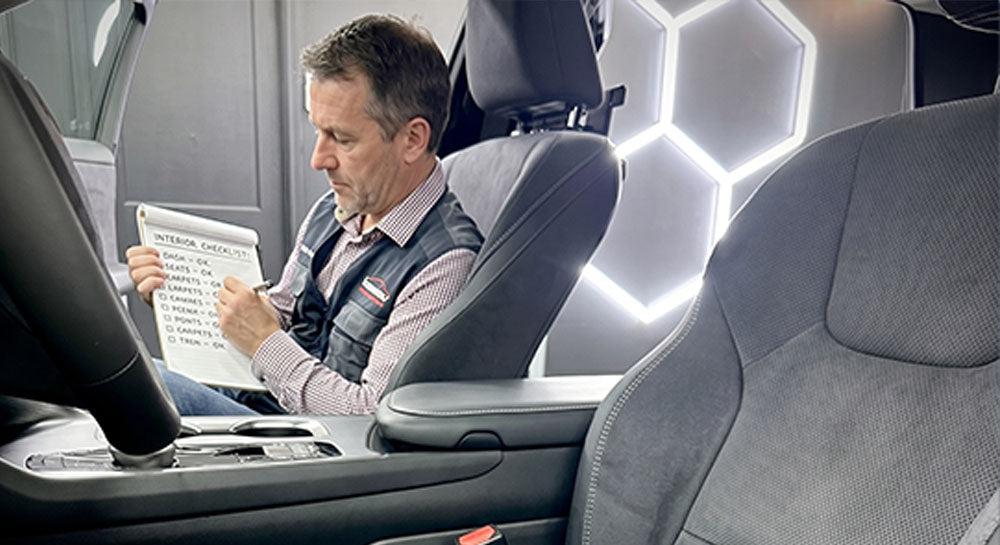
I started my mobile detailing business with $4,200 in my checking account and a 2014 Honda CR-V. Three years later, I am clearing $6,000 a month working four days a week. The barriers to entry in this business are almost laughably low compared to opening a brick-and-mortar shop. No rent. No utilities. No employees to manage. Just you, your equipment, and a vehicle.
The demand is relentless. Every car on the road needs cleaning. Most owners do not have the time, equipment, or patience to do it right. They will pay $150 to $300 to have someone come to their driveway and make their car look new again. The mobile auto detailing business model works because you bring the service to them. They save time. You save overhead. Everyone wins.
What you need to understand upfront is that this is a skill-based business first. Equipment matters, but technique matters more. A $2,000 steamer in unskilled hands will not outperform a $500 unit wielded by someone who knows what they are doing. This guide walks you through the equipment that actually matters, what you can skip, and how much cash you really need to get started.
The Essential Equipment Checklist
You do not need a $50,000 van setup to start. You need five core pieces of equipment to deliver professional results. Everything else is optional or upgradeable later.
1. Steam Cleaner
This is your most versatile tool. A quality steamer replaces three or four chemical products, sanitizes surfaces without residue, and works on every interior material from leather to plastic to fabric. The Aqua Pro Vac steamer heats to 320 degrees and cuts through grease, coffee stains, and mystery gunk that has been baking on dashboards for years.
Steam lifts dirt without soaking the material underneath. This matters because oversaturated carpets and seats lead to mold smells and callbacks. A good steamer pays for itself in chemical savings alone. You can spend maybe $30 a month on chemicals because the steam does most of the work.
2. Carpet Extractor
If the steamer is your utility player, the extractor is your star quarterback. Interior extraction jobs command premium pricing. A basic interior detail runs around $150. Full extraction on a three-row SUV commands $275 or more. The extractors at AquaProVac range from compact 3-gallon units perfect for mobile work to 12-gallon units for serious volume.
An extractor sprays heated cleaning solution into carpet and upholstery, then immediately vacuums it back out along with dissolved dirt, sand, and allergens. Customers can see the dirty water coming out of their carpets. That visual sells the value better than any sales pitch.
3. Wet/Dry Vacuum
You need suction power. A shop vac with at least 5.5 peak horsepower handles water extraction, debris removal, and carpet drying. Look for stainless steel tanks. Plastic cracks, especially in summer heat. The wet/dry vacuum collection at AquaProVac includes units built specifically for detailing work. Key specs to watch: horsepower, tank capacity, and hose diameter. A 2.5-inch hose moves debris far faster than a standard 1.25-inch.
4. Pressure Washer
Exterior work requires pressure. You need at least 1,800 PSI to strip road grime and prep paint for correction. Gas units deliver more power but require maintenance. Electric units are quieter and lighter, which is important in residential neighborhoods where noise complaints kill business.
A 2,000 PSI electric unit handles 95 percent of standard jobs. For construction vehicles and farm trucks, a gas unit that hits 3,200 PSI is the right call. Most beginners should start electric and upgrade when the work demands it.
5. Dual-Action Polisher
Paint correction separates the $75 detailers from the $400 detailers. A dual-action polisher is safer than a rotary for beginners because it stops spinning if you press too hard, which prevents the holograms and burn-through that ruin paint jobs.
The Rupes LHR15 Mark III runs about $450. The Porter-Cable 7424XP costs $130 and does 80 percent of what the Rupes does. Start with the Porter-Cable and upgrade when you have the skills to use the more expensive tool properly.
Steam Cleaner: Your Most Versatile Tool
Before buying a steamer, most detailers carry 12 different bottles of chemicals: APC, degreaser, leather cleaner, glass cleaner, engine cleaner, wheel cleaner. A commercial steamer replaces most of that. The 300-plus degree vapor breaks down organic matter and oils without chemicals. You can clean leather seats, sanitize air vents, blast brake dust off wheels, and degrease engine bays with one tool.
The technique matters. Hold the nozzle 6 to 8 inches from the surface and move in slow, overlapping passes. Let the heat do the work. Do not scrub like you are trying to remove paint. Follow immediately with a microfiber towel to lift the dissolved grime.
Steam also sanitizes. This became a massive selling point for parents with young kids and pet owners. Advertising hospital-grade sanitization on your service menu costs nothing extra and justifies a $25 upcharge.
AquaProVac specializes in steam cleaners built for mobile detailers. Their units heat fast, maintain pressure, and do not quit after six months of daily use. Check their steamer collection to see options for every budget.
Carpet Extractor: The Money Maker
Here is the math that matters. A basic wash and wax takes 90 minutes and pays $125. A full interior extraction takes 3 hours and pays $275. The extractor lets you book fewer jobs for more money, which means less driving and better margins.
Interior work also has less competition. Everyone with a bucket and sponge offers exterior detailing. Fewer operators have the equipment and skill to properly clean carpets and upholstery. This is where you differentiate.
The process is straightforward but requires technique. Pre-vacuum thoroughly to remove loose debris. Pre-treat stains with an enzyme cleaner. Spray extraction solution evenly and let it dwell for 3 to 5 minutes. Extract with overlapping passes, moving slowly to maximize water recovery.
Your goal is to recover at least 80 percent of the moisture you put down. Any wetter and you risk mold. Any drier and you leave dirt behind. The extractor should pull dirty water for the entire job. If the wastewater tank runs clear, you are moving too fast.
For mobile operations, tank size matters. A 3-gallon extractor handles two to three cars before dumping. A 6-gallon unit gets you through a full day. The extractors available at AquaProVac include compact options specifically designed for van and trailer setups where space is tight.
Supporting Equipment You Cannot Skip
Buckets and Grit Guards: Two buckets minimum. One for rinse, one for soap. Grit guards sit at the bottom and trap dirt so it does not get picked back up by your wash mitt. Buy name-brand grit guards. The knockoffs flex and let dirt through.
Microfiber Towels: You need at least 50 towels in various grades. 300 GSM for glass and interior dusting. 400 GSM for general wiping. 500 GSM and above for drying and buffing. Buy them by the dozen from a detailing supplier, not the auto parts store. Quality matters.
Brushes: Boar's hair brushes for emblems and trim. Nylon brushes for tires and wheel wells. Detailing brushes in various sizes for vents, seams, and crevices. One good $5 brush will last six months of daily use.
Chemicals: Even with a steamer, you need some chemicals. pH-neutral soap for washing. Iron remover for wheel decontamination. All-purpose cleaner diluted to various strengths. Leather conditioner. Tire dressing. Glass cleaner. Budget $150 to $200 for your initial chemical stock.
Water Tank: If you work in areas without hookups, you need water on board. A 50-gallon tank handles two full details. A 100-gallon tank gets you through a day. Mount it securely. 100 gallons weighs 834 pounds. A shifting water tank will damage your vehicle and create a serious safety risk.
Generator: Electric pressure washers and extractors need power. A 3,500-watt generator runs most equipment. Inverter generators are quieter and worth the extra cost for residential work. Honda and Yamaha make bulletproof units. Predator from Harbor Freight works fine for half the price.
Vehicle Setup: Van, Trailer, or SUV
Van Setup: The professional standard. A cargo van gives you enclosed storage, weather protection, and room to work inside during rain. A used Ford Transit or Mercedes Sprinter runs $15,000 to $25,000. You can mount tanks, generators, and tool chests permanently. The downside is fuel economy and maneuverability in tight neighborhoods.
Trailer Setup: Pull a detailing trailer with your existing vehicle. Enclosed trailers start around $3,000 used. You get all the benefits of a van without buying a new vehicle. The downside is backing up in tight spaces, and some HOAs ban commercial trailers from driveways.
SUV or Truck: What most operators start with. A Honda CR-V, Toyota 4Runner, or Ford F-150 with a bed cover carries everything you need. You work outside the vehicle, which is difficult in rain but works fine 90 percent of the time. Total equipment investment stays under $5,000.
Water tank mounting depends on your setup. In a van, bolt the tank to the floor through reinforced mounting plates. In an SUV, secure it with ratchet straps through the cargo hooks. Never let a water tank slide around. A 35-gallon tank fits in most cargo areas and straps down tight.
Startup Cost Breakdown: Three Ways to Begin
Budget Build: $3,000 to $5,000
- Used SUV or truck: $0 (use what you have)
- Electric pressure washer (1,800 PSI): $180
- Wet/dry vacuum (6-gallon): $120
- Entry-level carpet extractor: $400
- Compact steam cleaner: $350
- Porter-Cable polisher: $130
- Buckets, grit guards, wash mitts: $80
- Microfiber towels (50 count): $75
- Brushes and applicators: $60
- Chemical starter kit: $150
- 35-gallon water tank: $90
- Hose and extension cords: $100
- Generator (used or budget new): $400
- Business license and insurance: $500
- Marketing materials: $100
- Total: ~$3,235
You can bring this lower by skipping the extractor initially and outsourcing interior work, or by using a client's water and power for the first few jobs.
Mid-Range Build: $5,000 to $10,000
- Van or upgrade to dedicated vehicle: $5,000 to $15,000
- Gas pressure washer (3,000 PSI): $350
- Professional wet/dry vacuum: $250
- Quality carpet extractor (6-gallon): $800
- Commercial steam cleaner: $800
- Rupes or Flex polisher: $450
- Full detailing cart and organization: $300
- Premium microfiber collection: $200
- Complete brush set: $150
- Expanded chemical inventory: $300
- 50 to 75-gallon water tank: $150
- Professional hose reels: $200
- Honda inverter generator: $1,200
- Website and booking system: $300
- Professional signage: $200
- Total: $7,650 to $17,650
The range depends heavily on your vehicle choice. Keep your current car and you are at the low end. Buy a used van and you hit the high end.
Premium Build: $10,000 to $20,000
- New or low-mileage van: $15,000 to $25,000
- Commercial pressure washer with tank feed: $800
- Two-stage vacuum system: $600
- Top-tier extractor (12-gallon): $1,500
- Professional steam system: $1,200
- Multiple polishers (DA and rotary): $1,000
- Custom van build with cabinets and tanks: $2,000
- 100-gallon water system with pump: $400
- Honda EU3000is generator: $2,300
- Complete professional tool inventory: $1,000
- Ceramic coating certification and supplies: $800
- Professional website and SEO: $1,000
- Branded vehicle wrap: $2,500
- Total: $15,100 to $29,100
Most operators do not start here. They build to this level over two to three years of reinvesting profits. Equipment does not make you money. Your skills and hustle make you money. Buy what you need to deliver results, then upgrade as cash flow allows.
Pricing Your Services
Basic Wash: $75 to $95. Exterior hand wash, wheel cleaning, tire dressing, interior vacuum, wipe down of hard surfaces. Takes 60 to 90 minutes. This is your entry-level service. Most customers who book this once will upgrade next time.
Full Detail: $200 to $275. Everything in the basic wash plus interior steam cleaning, leather conditioning, carpet shampoo (not extraction), exterior wax or sealant, glass inside and out. Takes 3 to 4 hours. This is your bread and butter.
Interior Extraction: $150 to $300. Standalone service or add-on to exterior work. Full carpet and upholstery extraction, stain treatment, odor elimination. Pricing varies by vehicle size and condition. A minivan owned by a family with three kids costs more than a commuter sedan.
Paint Correction: $400 to $800. Single-stage or two-stage machine polishing to remove swirls and restore gloss. This requires skill and time. Do not offer it until you have practiced on your own car and at least three friends' vehicles.
Ceramic Coating: $800 to $1,500. The premium service. Requires paint correction first, then application of a coating that lasts 2 to 5 years. Materials alone cost $200 per job. Take a certification course before offering this service.
Your market determines your exact pricing. Check what other mobile detailers charge in your area, then position yourself slightly above the middle. You want to attract customers who value quality over the lowest bid.
Frequently Asked Questions
How much can I realistically make in my first year?
If you work consistently and market actively, expect $2,000 to $4,000 per month in year one working part-time. Full-time operators with good systems hit $5,000 to $8,000 monthly by month 12. Your income depends more on your marketing and customer service than your detailing skills.
Do I need a business license and insurance?
Yes. Operating without these is asking for disaster. A general business license costs $50 to $150 depending on your city. Liability insurance runs $500 to $800 annually and protects you if you damage a customer's vehicle. Some customers will ask for proof of insurance before booking.
Should I offer ceramic coating as a beginner?
No. Ceramic coating requires paint correction skills, proper prep, and understanding of how coatings cure. Practice on your own vehicle and volunteer cars until you can deliver flawless results. One bad coating job will destroy your reputation.
How do I find my first customers?
Start with friends and family at discounted rates in exchange for honest reviews. Post before-and-after photos on Facebook community groups and Nextdoor. Partner with local car dealerships for overflow work. Leave business cards at tint shops and auto parts stores. Your first 20 customers come from hustle, not advertising.
Is a mobile detailing business profitable long-term?
Absolutely. The key is transitioning from operator to owner. Most detailers burn out doing everything themselves. Build systems, hire help for basic services, and focus on high-margin specialty work. Mobile detailers running $20,000 per month operations with two employees are not uncommon. The ceiling is higher than most people think.
Starting a mobile auto detailing business is one of the most accessible paths to self-employment in the skilled trades. The equipment requirements are manageable. The skills are learnable. The demand is permanent. Buy quality tools from suppliers like AquaProVac who understand the business, learn your craft, treat customers right, and you will build something that pays your bills and gives you freedom. The rest is up to you.