FAST & FREE U.S. Shipping
 Buy Now, Pay Later!
 Price Lock! Beat The Tariffs
 1-Year Warranty
 U.S. Quality & Support
 Now Shipping to Canada
 Call Our Team: (650) 292-4445

Overview
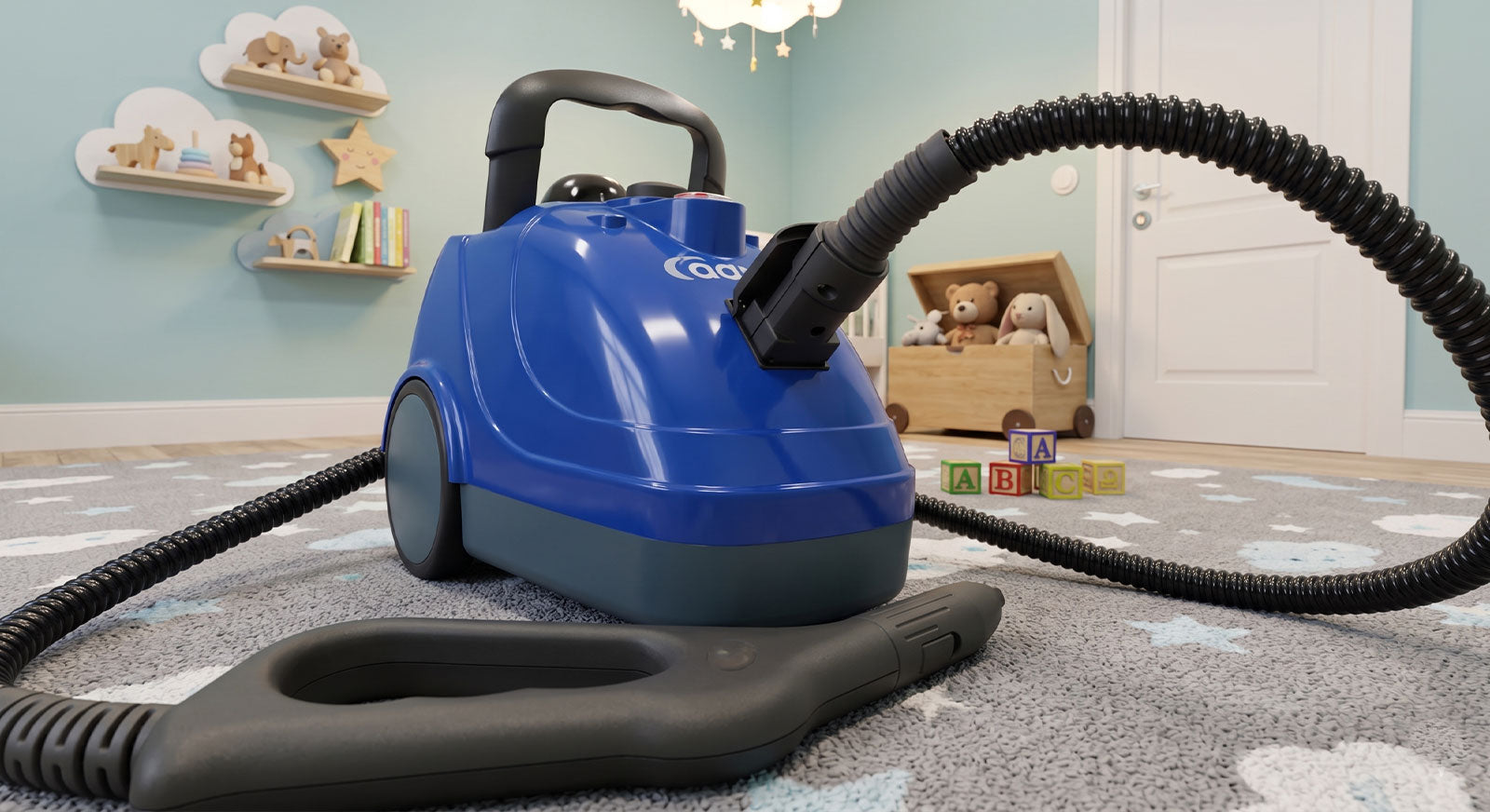
Learning how to steam clean can completely change the way you tackle dirt, stains, and bacteria at home. Whether you’re new to steam cleaning or just unboxed your new Aqua Pro Steamer, this guide breaks down everything you need to know to get your space clean and sanitized. From what kind of water to use to what surfaces to avoid, these tips will help you clean smarter — using the natural power of steam without harsh chemicals.
Let’s dive into the most common questions people have when they first startt using a portable steam cleaner.
Step 1: What Type of Water Should You Use in Your Steam Cleaner?
It’s always best to use distilled water, especially if you live in an area with hard tap water. Minerals in tap water can build up over time and damage your equipment. If distilled water isn’t available, filtered water is the next best option. Tap water should be used sparingly and only if necessary.
Maintenance Tip:
If you've used tap water regularly, clean your steam machine using a 50/50 mix of white vinegar and water. Let it sit for 30 minutes, then rinse thoroughly with plain water to eliminate any residue or smell.
Step 2: How Much Water Should You Add?
Your water fill level depends on how long you plan to clean. With Aqua Pro Steamer and similar steamers:
- 14 ounces of water gives you about 15 minutes of steam time
- 28 ounces provides around 30 minutes
- 40 ounces can last up to 40 minutes
NOTE: Always let the unit cool down completely before refilling.
Step 3: Why Is My Steam Cleaner Spraying Water?
If your steam cleaner sprays water instead of steam, it likely hasn't built up enough pressure yet. After powering on, wait for the indicator light to turn on before pulling the trigger. This typically takes up to 10 minutes, depending on the model.
Pro Tip: Patience during startup leads to better steam and better cleaning.
Step 4: How Does Steam Cleaning Sanitize With Just Water?
Steam machines heat water beyond 212°F (100°C), which is hot enough to kill most bacteria, viruses, mold spores, and dust mites. It’s a safe, eco-friendly way to deep clean without exposing your family to synthetic chemicals.
Aqua Pro Steamer’s high-temperature steam output makes it ideal for households with kids, pets, or allergies.
Step 5: How Long Do Soft Surfaces Take to Dry After Steam Cleaning?
Dry time depends on the surface and your home’s temperature and humidity. After steam cleaning furniture, mattresses, rugs, or fabrics:
- Light steaming: 15–30 minutes dry time
- Heavier steaming: 1–2 hours dry time
Open windows or use a fan to help speed up drying.
Step 6: Can You Add Cleaners or Essential Oils to Your Steam Cleaner?
Avoid adding anything to the water — even essential oils. Doing so can damage internal parts of your Aqua Pro Steamer and will void warranties. Instead, apply a few drops of essential oil directly to the cleaning pad or cloth if you want a light scent during cleaning.
Step 7: What Surfaces Should You NOT Steam Clean?
While steam cleaning works on many surfaces, some materials can be damaged:
- Waxed or polished wood
- Velvet or synthetic upholstery like Dralon®
- Cold windows or glass (below 32°F)
- Delicate fabrics labeled “dry clean only”
- Electronics
When in doubt, spot test in a small area first.
Final Thoughts
Now that you know how to steam clean safely and effectively, you can confidently tackle dirt and germs in every room. With Aqua Pro Steamer, you get a powerful and chemical-free way to clean tile floors, bathrooms, kitchens, and upholstery. It’s one of the most versatile tools to add to your home cleaning routine.
FAQ
What is the best way to use a steam cleaner to clean grout and grout lines?
Start by vacuuming or sweeping to remove debris, then use a steam cleaner to clean grout with a narrow nozzle or brush attachment. Move slowly along grout lines to loosen dirt and grease, wiping with a microfiber cloth between passes. Keep in mind high heat helps sanitize, but avoid over-saturating porous tile to reduce moisture issues.
Can I use a steam cleaner to clean carpets and rugs safely?
Yes — many steam cleaners are designed to clean floors, carpet, and rug; use a steam cleaner to clean with a low-moisture setting and a suitable carpet attachment. Test a small area first to ensure no discoloration, work in one area at a time, and allow carpets to dry fully to prevent odor or mold.
How do I steam clean a mattress and pillows without damaging them?
Use a handheld steamer or a steam cleaner with a fabric-safe attachment, holding it a few inches away to refresh and clean and sanitize. Light passes remove dust mites and odors; allow the mattress and pillows to dry standing in fresh air or near a fan to avoid excess moisture that could make them dirtier over time.
What attachments should I use for cleaning a shower, faucet, sink and mirror?
Use a brush attachment for grout and stubborn grime in a shower and a narrow nozzle to blast around a faucet and sink. For mirrors and glass, use a flat microfiber or cloth after steaming to avoid streaks; the steam will loosen soap scum and grease on the stovetop and shower surfaces for easier wiping.
How can I use steam to clean and sanitize toys, pet beds and animal areas?
Steam is a gentle way to sanitize non-electronic toys, pet beds, and pet areas; use a low-heat setting and a small brush attachment to remove dirt and odors. Make sure items are compatible with heat and moisture, and let things dry thoroughly to prevent moisture build-up and keep pets safe.
Is it safe to steam clean the oven, microwave, and stovetop? Any special method?
You can use steam to sanitize ovens and microwaves by softening baked-on food so it wipes away easily; for ovens, use a high-heat steam burst and a scraper for stuck debris. On stovetops, target grease and sticky residue with a concentrated steam stream, then wipe with a cloth. Keep electrical parts dry and follow the product manual.
How do I get rid of stubborn grease, sticky residue, or debris from hard surfaces?
Apply steam directly with a concentrated nozzle or brush attachment, then wipe away loosened grease and sticky residue. For very stubborn spots, repeat in short bursts and use a cloth or scraper. Periodically change the water and clean the attachment to maintain ease of use and effectiveness.
Can steam cleaning help reduce odors, allergens, and germs like the flu in the home?
Yes — steam cleaning can clean and sanitize surfaces to help reduce odors and allergens and is a way to sanitize high-touch areas like light switches, door handles, seats, and toys. Use the steam to kill many microbes and allergens, then wipe surfaces dry; remember this is one method among others and not a replacement for professional disinfection when needed.
What are common mistakes to avoid and tips to keep steam-cleaned areas feeling fresh?
Keep in mind to avoid soaking porous materials, test fabrics first, and use the correct attachment for the task. Don’t rush drying—allow time to air out carpets, beds, and upholstery. Clean attachments periodically, and follow the manufacturer’s guidelines for safety and maintenance to get the best results.