FAST & FREE U.S. Shipping
 Buy Now, Pay Later!
 Price Lock! Beat The Tariffs
 1-Year Warranty
 U.S. Quality & Support
 Now Shipping to Canada
 Call Our Team: (650) 292-4445

Professional detailers depend on their equipment to show up ready to work every day. A missed appointment because a vacuum motor burned out or a hose split mid-job costs more than time. It costs you a customer and possibly a referral you won't even know you lost.
That's why a consistent car detailing equipment maintenance routine matters so much for detailing businesses of any size. Extractors, vacuums, steamers, and their attachments take a beating: dirty water, grit, chemicals, and constant on-off cycles. Without a plan to clean and inspect that gear, small issues turn into breakdowns at the worst possible moment.
This article breaks down a car detailing equipment maintenance checklist into three simple layers: daily tasks you do after every job, weekly checks that catch developing problems, and monthly maintenance that keeps equipment running like new. Follow this schedule, and your gear stays reliable, your team stays productive, and you avoid the downtime that eats into your bottom line.
Daily Car Detailing Equipment Maintenance Checklist
Daily maintenance takes just a few minutes, but it's the most important habit for extending your equipment's life. These are quick tasks any technician can complete before packing up at the end of the day, plus one inspection before switching the machine on.
Inspect Cords and Plugs Before Each Use
This comes first because it happens before the job, not after. Before you plug a machine in, check the cord and plug. Check for cuts, fraying, or exposed wire along the whole length, and make sure the plug isn't cracked, loose, or missing a prong.
This isn't just good practice for equipment longevity; it's a genuine safety issue. Under OSHA's rules for portable electric equipment, cord-and-plug-connected tools, and extension cords, you must visually inspect them before use on any shift for external defects and signs of internal damage and remove anything defective from service until repairs and the necessary tests are completed. Equipment that stays connected in place and isn't exposed to damage is exempt until it gets relocated, which covers almost nothing in mobile detailing, where the gear moves every day.
If you find a damaged cord, don't just wrap it in electrical tape and keep going. Replace it, or have someone qualified repair it. A damaged cord that fails on a job site is a liability you don't want, both for your team and for your customer's property.
Empty and Rinse Recovery Tanks
Recovery tanks collect the dirty water pulled from carpets, upholstery, and floor mats during extraction, along with the detergent you sprayed on and extracted back off. If that mix sits inside the tank overnight, it starts to smell, grow bacteria, and leave behind grime that's much harder to remove later.
Get in the habit of emptying the recovery tank as soon as a job wraps up, then rinsing it with clean water. This one habit alone prevents most of the odor and buildup problems detailers run into with extractors. A tank that's rinsed daily also makes your weekly and monthly cleaning far less of a chore, since you're not fighting caked-on residue.
Rinse the Clean Water Tank
The clean water tank holds plain water and nothing else, so it takes far less work than the recovery side. Empty out whatever is left at the end of the day rather than letting it sit, and rinse the tank so mineral film and any debris that got past the intake filter don't build up.
Keep the 100°F (38°C) ceiling in mind here too. It's tempting to reach for hot water when you're cleaning something out, but anything you run through the tank, pump, and water line has to stay lukewarm; hot water damages the water hose whether it's a working fill or a rinse.
Clean Hoses, Nozzles, and Attachments
Hoses and nozzles carry water, cleaning solution, and debris all day long. Hair, lint, and dirt love to collect right at the connection points and inside spray tips, where they can slowly choke off flow and suction.
After each use, flush hoses with clean water and rinse spray nozzles until the water runs clear. Wipe down attachments before storing them. This keeps flow rates and spray patterns consistent, which matters more than most detailers realize. A partially clogged nozzle doesn't just spray less water. It sprays unevenly, which means more passes, more time, and more wasted product per vehicle.
Inspect Equipment Before Storage
Before any piece of equipment goes back on the shelf or into the van, take thirty seconds to look it over. Check for visible leaks, cracked housings, loose fittings, or anything that looks out of place. Also look for blockages in hoses or wands, since a clog you catch today is a five-minute fix, not a mid-job emergency next week.
Just as important: let everything dry before you store it. Sealing damp tanks, hoses, or attachments in a closed van or storage closet is one of the fastest ways to create mold, mildew, and bad odors that are tough to remove once they set in.
Weekly Car Detailing Equipment Maintenance Checklist
Weekly maintenance goes a level deeper than the daily wipe-down. This is where you catch wear and tear that builds up slowly over several jobs before it becomes a bigger repair.
Inspect Filters and Airflow Components
Filters protect your equipment's motor from dust, hair, and fine debris, but they can only do that job if they're clean. A filter packed with buildup restricts airflow—and that airflow carries heat away from the motor. Choke it off, and the motor runs hot, suction drops, and on machines with a thermal cutout, the unit shuts down mid-job to avoid burning out.
Once a week, pull reusable filters and check them for dirt, lint, and clogging. Clean or rinse them according to the manufacturer's instructions and let them dry fully before putting them back in. If a filter is torn, warped, or won't come clean anymore, replace it. A cheap filter costs far less than a replacement motor.
Don't stop at the air filter. Extractors typically have a second, smaller filter on the water side that screens debris out of the clean water supply before it reaches the pump. It's easy to forget because it's small and out of sight, and it protects the most expensive component in the water circuit.
Check Hoses, Connectors, and O-Rings
Hoses and their connectors take a beating from constant coiling, uncoiling, and dragging across pavement or driveways. Weekly, look closely for cracks, kinks, or soft spots along each hose, and check that quick-connect fittings snap together securely without wobble.
O-rings deserve special attention. These small rubber seals keep connections airtight and leak-free, and they wear out faster than most other components. A worn or missing O-ring is one of the most common reasons detailers suddenly lose suction or pressure, even when the rest of the machine seems fine. Keep a few spares on hand so a bad O-ring never turns into a canceled appointment.
Look Deeper at Electrical Components
Check the cord before every use, but once a week it's worth more than a glance. Flex the cord along its length to find soft spots or jacket breaks that don't show when it's lying straight. Check where the cord enters the machine, since that strain-relief point fails more often than the middle of the cord. Check switches and buttons for cracked housings or sticky action, and make sure any GFCI you're plugging into still trips and resets as it should.
Monthly Car Detailing Equipment Maintenance Checklist
Monthly maintenance is where you step back and give equipment the deeper attention that daily and weekly tasks don't cover. This is also the best time to catch performance drift before it becomes a full breakdown.
Perform a More Thorough Equipment Cleaning
Even with consistent daily rinsing, mineral deposits, soap residue, and fine grime build up in places routine cleaning can't reach. Once a month, deep-clean tanks, hoses, filters, nozzles, and any removable components. Take attachments apart where the manufacturer allows it, and clean inside fittings and connectors, not just the outside surfaces.
This deeper clean matters most in hard-water areas, where mineral buildup inside tanks and hoses can gradually restrict flow and shorten the life of pumps and valves. One caution: a deep clean is exactly the moment detailers are tempted to run hot water through the machine to cut residue faster. Don't. The 100°F (38°C) limit applies to cleaning water the same way it applies to working water, because it's the hose that fails, not the dirt.
Test Equipment Performance
A monthly performance check tells you whether your equipment is still operating the way it should. Run each machine through its paces and pay attention to suction strength, water flow rate, spray pattern, and overall sound. Equipment that runs louder, hotter, or weaker than usual is telling you something.
Check the numbers against the published specification rather than against memory. The Aqua Pro Vac, for example, runs an 1100-watt vacuum motor and a pump rated at 58 psi with a flow rate of half a gallon per minute. A machine that used to fill a measured container in a given time and now takes noticeably longer is telling you something specific in a way that "feels a bit weak" never will.
Catching a performance drop during a scheduled check is far better than discovering it mid-job. If suction feels weaker than last month, or a pump seems to be working harder to hit the same pressure, that's your cue to dig into filters, hoses, and seals before the issue turns into downtime.
Inspect Frequently Used Parts for Wear
Some parts wear out faster because they're touched, flexed, or stressed on every job. Trigger handles, spray tips, gaskets, and connection points fall into this category. Once a month, take a closer look at these high-use parts and compare them to a new one if you have one on hand.
Replacing a worn gasket or spray tip before it fails costs a few dollars and a few minutes. Waiting until it fails mid-job costs you the appointment, and sometimes the customer.
Aqua Pro Vac Maintenance Checklist for Professional Detailers
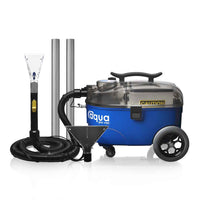
The Aqua Pro Vac is a popular choice for mobile detailers because it's lightweight, portable, and built to handle carpet and upholstery extraction on the go. Like any extractor, it holds up best with the same daily, weekly, and monthly attention outlined above, applied specifically to its tanks, hose, and filters.
Before the checklist, it's worth being precise about how detergent and water move through this machine, because it determines what you're actually cleaning at the end of each day:
| Side of the machine | Path | Detergent? | Water |
|---|---|---|---|
| Supply | Clean water tank → pump → spray nozzle | Never | Plain water, 100°F (38°C) maximum |
| Return | Nozzle → vacuum hose → waste tank | Yes, by design | — |
You spray a low-foam detergent onto the fabric from a hand bottle, let it work, then extract it back into the waste tank with the soil it released. The supply side stays clean. Water only. That split is why the recovery tank needs a daily rinse, and the clean water tank needs very little.
Daily Aqua Pro Vac Care
Check the cord and plug before you switch the machine on. After every job, empty and rinse the recovery tank so dirty water and spent detergent don't sit inside the unit. Empty and rinse the clean water tank as well; it holds plain water, so this is quick, but standing water can still leave mineral film. Flush the hose with clean water, wipe down the nozzle, and keep rinse water lukewarm rather than hot.
Weekly Aqua Pro Vac Inspection
Once a week, check both filters. The air filter protects the vacuum motor and is designed to be cleaned and reused, so pull it out, clear the buildup, and let it dry fully before putting it back in. The small filter on the clean water intake screens debris before it reaches the pump, is smaller, easier to forget, and protects a pricier part.
Check the hoses for cracks or soft spots, and confirm the quick-connect fittings and their O-rings are in good shape and form a tight seal. Don't forget the upholstery nozzle. Check it for clogs or wear, since it's one of the most-used attachments.
Monthly Aqua Pro Vac Maintenance
Give the extractor a deeper monthly cleaning, working through the tanks, hoses, and removable parts to clear out anything routine cleaning missed, still with lukewarm water, never hot. Then test suction and water distribution against the machine's published numbers: 1100 watts of vacuum motor and a pump delivering roughly half a gallon per minute at 58 psi. If either side is off compared to a normal job, inspect filters, seals, and connections before your next booking.
How to Organize a Car Detailing Equipment Maintenance Schedule
A maintenance checklist only works if you follow it. Building it into your daily business workflow, rather than treating it as an occasional extra task, is what makes the difference.
Create a Daily Equipment Checklist
Keep the daily list short and simple. A cord check before plugging in, then emptying tanks, rinsing hoses, and a quick visual inspection at the end should take a technician just a few minutes per job. The easier the checklist is to follow, the more consistently your team will actually complete it. A laminated checklist taped inside a van or storage cabinet works well as a constant reminder, and it's a good place to print the water temperature limit where nobody can miss it.
Schedule Weekly and Monthly Inspections
Weekly and monthly tasks need more structure, since they're easy to forget once things get busy. Assign these inspections to a specific day of the week or team member, and keep a simple written or digital record of what you checked and when. That record becomes valuable if a piece of equipment ever needs warranty service, since it shows the equipment was properly maintained.
Replace Worn Parts Before They Cause Downtime
Pay attention to which parts your business replaces most often, whether that's O-rings, filters, nozzles, or hoses. Once you know your typical replacement pattern, keep a small stock of those parts on hand. A five-dollar O-ring sitting in a drawer can save an entire day's schedule when the alternative is waiting on a shipment.
Common Maintenance Mistakes That Can Damage Detailing Equipment
Even detailers who care about their equipment fall into a few avoidable habits. Watching for these mistakes helps you get more life and reliability out of every machine you own.
Putting Detergent in the Clean Water Tank
This is the most common and most damaging one. Detergent belongs in a hand spray bottle, applied to the fabric, and then extracted back out. Put it in the supply tank, and you foam the recovery system, which costs vacuum performance and shortens motor life, while leaving residue in the pump and spray line that the next job's plain water has to push through.
Running Hot Water Through the Machine
Hot water feels like it should clean better, and on an extractor it mostly just damages the water hose. Keep everything that enters the clean water tank at or below 100°F (38°C)—lukewarm, comfortable to the touch, never hot—including the water you use to flush and rinse.
Leaving Dirty Water or Residue Inside Equipment
Skipping the end-of-job rinse might save two minutes, but it lets dirty water and spent detergent sit inside tanks and hoses, where it breaks down seals, causes odors, and encourages bacteria and mold growth. This is one of the fastest ways to shorten an extractor's lifespan.
Ignoring Small Leaks and Damaged Connections
A minor drip or a loose fitting rarely fixes itself. Left alone, small leaks tend to worsen and can point to a failing seal or O-ring that eventually causes a bigger loss of pressure or suction. Address small issues as soon as you spot them.
Storing Equipment While It Is Still Wet
Packing away damp tanks, hoses, or attachments traps moisture inside a closed space, which is exactly what mold and mildew need to take hold. Beyond the smell, trapped moisture can also corrode metal fittings and degrade rubber seals over time. Always let equipment air-dry for a few minutes before storage.
Skipping Regular Filter and Nozzle Cleaning
A clogged filter or nozzle doesn't usually fail all at once. Performance just quietly declines, job after job, until suction or spray pressure is noticeably weaker than it used to be. Detailers who skip regular filter and nozzle cleaning often blame the machine for a problem a five-minute cleaning would have solved.
Conclusion
A dependable car detailing equipment maintenance checklist doesn't need to be complicated. Check cords before every use, empty and rinse tanks daily, inspect hoses, filters, and connections weekly, and give everything a deeper clean and performance check once a month. Keep detergent in the spray bottle, not the clean water tank, and keep the water lukewarm. That simple rhythm is what keeps extractors, vacuums, and steamers ready to perform, job after job.
Skipping maintenance might save a few minutes today, but it almost always costs more later through downtime, repairs, or a canceled appointment. Build this checklist into your standard business workflow, assign responsibility for weekly and monthly tasks, and keep basic replacement parts on hand. Your equipment will last longer, perform better, and help your detailing business run the way it should: reliably and without surprises.
Frequently Asked Questions
Can I put cleaning solution in my extractor's clean water tank?
No. The Aqua Pro Vac clean water tank takes only plain water. Apply detergent separately, spray it onto the carpet or upholstery from a hand bottle, and let it dwell for a minute before you extract it. It still travels through the machine—but on the return side, it is vacuumed into the waste tank with the soil it lifted. That's also why a low-foam detergent is required: foam is a recovery-tank problem, and a foaming product costs you vacuum performance and motor life even though none of it went in the supply tank.
What water temperature should I use in an extractor?
Keep it at or below 100°F (38°C)—lukewarm, comfortable to the touch, never hot. Cold, cool, and warm are all fine. The limit exists because hotter water damages the machine's water hose, so it applies to rinse and flush water during cleaning as much as it does to the water you clean carpets with.
How often should I clean my detailing equipment?
Clean some parts after every job, some weekly, and some monthly. Rinse tanks, hoses, and nozzles after each use so dirty water and residue never sit inside the equipment. Set aside time each week for a closer inspection of filters, hoses, and connections, and once a month give everything a deeper clean along with a performance check. Cord and plug inspection is its own category: that happens before every use, not on a weekly cycle.
What happens if I skip regular maintenance on my extractor?
Skipping maintenance usually doesn't cause an immediate breakdown. Instead, performance quietly declines: suction weakens, spray patterns become uneven, and seals wear out faster than they should. Left unchecked, these small issues tend to combine into bigger repairs or a machine failing entirely during a job.
How do I know if a hose, O-ring, or filter needs to be replaced instead of cleaned?
Cracks, kinks, or soft spots in a hose usually mean it's time to replace it rather than keep patching it. O-rings that look flattened, cracked, or no longer hold a tight seal should be swapped out, since they're inexpensive and can prevent bigger suction or pressure problems. Also replace a filter that stays clogged or dirty after proper cleaning, or that's torn or warped.
Can I use electrical tape to fix a damaged power cord?
No. Covering a nick or cut with electrical tape hides the damage instead of fixing it, and it makes it harder to properly inspect the cord later. A damaged cord should be repaired by someone qualified to do the work or replaced outright, and it shouldn't be used again until that happens.
How long should professional detailing equipment last with proper maintenance?
Lifespan varies by brand, usage, and build quality, so there's no single number that applies to every machine. Most equipment lasts longer with consistent daily, weekly, and monthly care, while neglected maintenance is one of the most common reasons detailers replace equipment sooner than expected.
Is it worth hiring a professional for equipment repairs instead of doing it myself?
Routine tasks like rinsing tanks, cleaning filters, and checking hoses are well within reach for most detailing technicians. But once a repair involves electrical components, motors, or pumps, it's worth bringing in a qualified technician or the manufacturer's support team. This keeps the repair safe and helps preserve any warranty coverage.
Sources
- Occupational Safety and Health Administration, "1910.334 — Use of Equipment," U.S. Department of Labor. https://www.osha.gov/laws-regs/regulations/standardnumber/1910/1910.334
- Aqua Pro Vac — Portable Carpet Cleaning Spotter, Extractor Machine for Auto Detailing (product specifications). https://www.aquaprovac.com/products/portable-carpet-extractor-auto-detailer
- Aqua Pro Vac, "How It Works" (operating instructions). https://www.aquaprovac.com/pages/how-it-works