FAST & FREE U.S. Shipping
 Buy Now, Pay Later!
 Price Lock! Beat The Tariffs
 1-Year Warranty
 U.S. Quality & Support
 Now Shipping to Canada
 Call Our Team: (650) 292-4445

Introduction
Did you know steam cleaning can eliminate up to 99.9% of bacteria without harsh chemicals? As more people seek eco-friendly and effective cleaning solutions, steam cleaning has emerged as a powerful alternative. This article explores the science behind steam cleaning, its advantages, key applications, and how it compares to traditional methods. By the end, you'll understand why steam cleaning is transforming household, automotive, and commercial cleaning practices.
1. The Science Behind Steam Cleaning
How Water Transforms into Steam for Effective Cleaning
Steam cleaning works by heating water past its boiling point (212°F/100°C), converting it into high-temperature vapor. This pressurized steam loosens dirt, grease, and grime while effectively sanitizing surfaces without chemicals. Steam penetrates microscopic pores, lifting embedded debris and eliminating harmful bacteria, making it a highly efficient and eco-friendly cleaning method.
2. Why Steam is a Superior Cleaning Method
The Benefits of Steam Over Traditional Cleaning
Steam cleaning offers multiple advantages over conventional methods:
- Chemical-Free Cleaning – Eliminates the need for toxic cleaning agents and their residues.
- Kills Germs and Bacteria – Effectively removes pathogens like E. coli, Staphylococcus, and mold spores.
- Removes Grease and Stubborn Stains – Dissolves oils and grime with high-temperature steam.
- Eco-Friendly & Cost-Effective – Uses only water, reducing chemical waste and long-term costs.
3. Applications of Steam Cleaning Across Different Industries
How Steam Cleaning is Used in Various Sectors
Steam cleaning is widely used across industries due to its versatility:
- Home Cleaning: Ideal for carpets, upholstery, kitchen appliances, tile grout, and bathrooms.
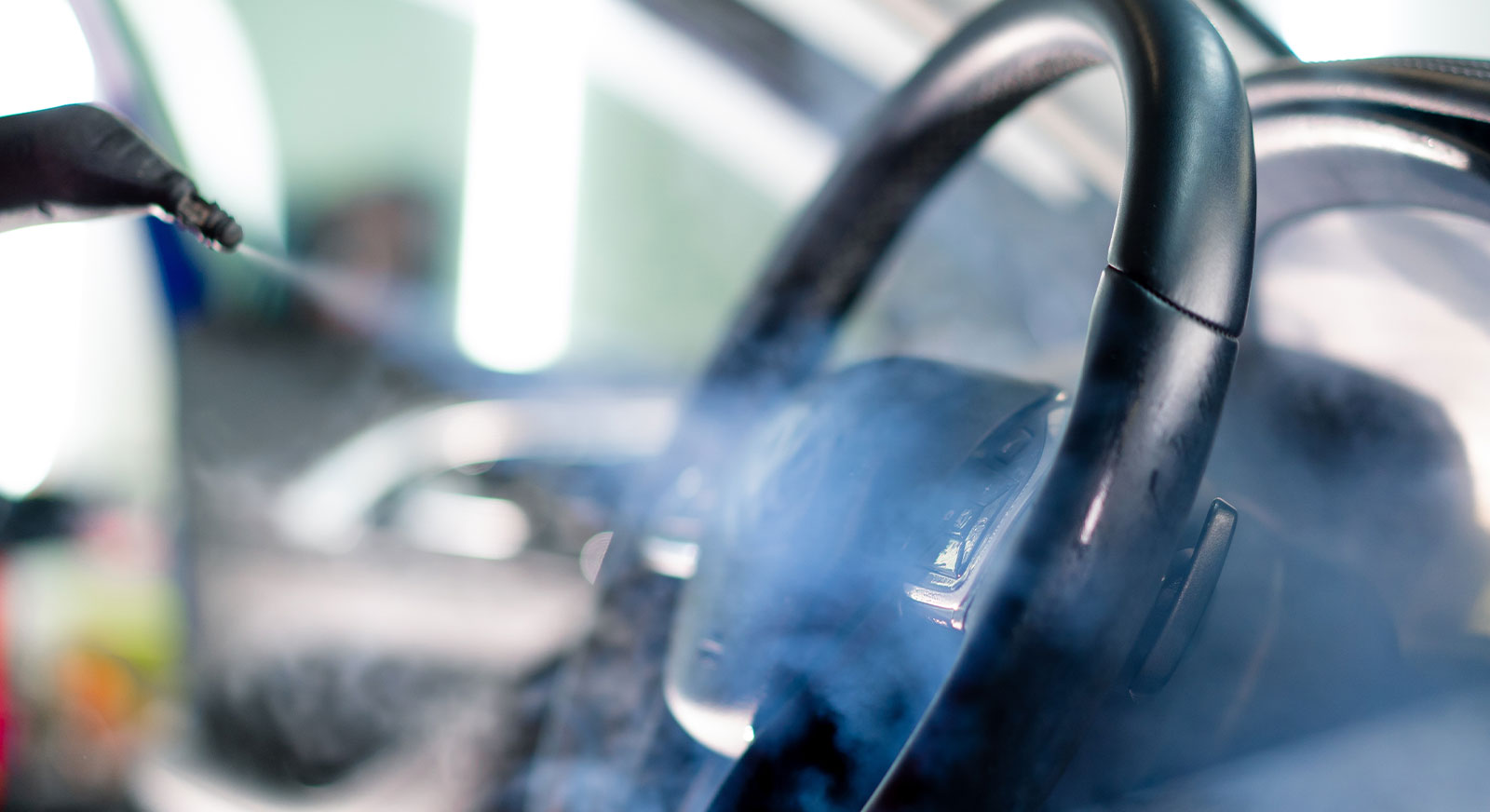
- Auto Detailing: Used for interior cleaning, upholstery, dashboards, and even engine compartments.
- Healthcare & Hospitality: Disinfects hospital equipment, hotel rooms, and food preparation areas.
- Industrial & Commercial Cleaning: Cleans heavy machinery, restaurant kitchens, and public spaces.
4. Comparing Steam Cleaning to Traditional Methods
Is Steam Cleaning More Effective?
| Factor | Steam Cleaning | Chemical-Based Cleaning |
|---|---|---|
| Effectiveness | Eliminates 99.9% of germs | Requires multiple applications |
| Safety | No toxic residues | Potential exposure to harmful chemicals |
| Surface Compatibility | Safe for most surfaces | May damage sensitive materials |
| Environmental Impact | Uses only water, eco-friendly | Contributes to pollution |
Steam cleaning provides a safer, more effective alternative to traditional chemical-based cleaning.
5. Choosing the Right Steam Cleaning Equipment
What to Look for in a Steam Cleaner
When selecting a steam cleaner, consider the following:
Types of Steam Cleaners:
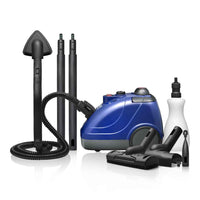
- Handheld Steam Cleaners – Compact and ideal for small spaces and spot cleaning.
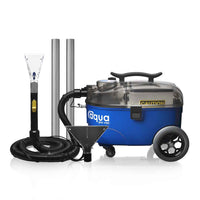
- Canister Steam Cleaners – Versatile, suitable for larger areas and multiple surfaces.
- Commercial-Grade Steamers – High-powered units for industrial applications.
Key Features to Consider:
- Water tank capacity and heating time.
- Adjustable pressure and temperature settings.
- Accessories for various cleaning tasks.
Best Practices for Using a Steam Cleaner:
- Pre-clean surfaces to remove loose debris.
- Use the correct steam pressure setting for different materials.
- Perform regular maintenance to extend equipment lifespan.
6. Debunking Common Myths About Steam Cleaning
Fact vs. Fiction
- “Steam Cleaning Can Damage All Surfaces” – While unsealed wood and some delicate fabrics should be avoided, most surfaces are safe for steam cleaning.
- “Steam Cleaning Doesn’t Kill Germs Effectively” – Scientific research confirms that high-temperature steam effectively kills bacteria, viruses, and mold.
- “Steam Cleaning Uses Too Much Water” – Steam cleaning is highly efficient and uses significantly less water than traditional mopping and scrubbing methods.
7. Final Thoughts: Is Steam Cleaning Right for You?
Steam cleaning provides a powerful, chemical-free way to clean and sanitize various surfaces. With benefits like superior germ elimination and eco-friendliness, it’s a smart choice for homeowners, auto detailers, and businesses. Whether you're deep cleaning your home, car, or workplace, steam cleaning delivers exceptional results with minimal environmental impact.
FAQ
What makes steam cleaning a particularly powerful cleaning for my home?
Steam cleaning is powerful because water is heated to produce high-temperature steam that loosens grease, lifts dirt, and inactivates bacteria from surfaces without the need for harsh chemical cleaners. The heat and moisture help remove grime from various surfaces in your home, making steam cleaning particularly effective for kitchens, bathrooms, floors, and upholstery while reducing environmental impact compared with many traditional cleaning methods.
Can steam cleaning reduce allergens and improve indoor air quality?
Yes. Using steam can reduce allergens and improve indoor air quality by killing or dislodging dust mites, reducing pollen residues, and decreasing some mold and mildew when applied correctly. This chemical-free cleaning approach is ideal for people with allergies or sensitivities to cleaning products because it minimizes exposure to harsh residues and synthetic fragrances.
Is steam cleaning effective for cleaning mattresses and removing dust mites?
Steam cleaning mattresses can be an effective method for removing dust mites and reducing associated allergen loads when the steam reaches an adequate temperature and dwell time. For best results, use a steam cleaner designed for upholstery, avoid soaking the mattress, and follow a step-by-step guide to ensure thorough sanitization and drying to prevent mold and mildew growth.
Do I need distilled water, or is tap water okay when using a steam cleaner?
Many steam cleaners will accept tap water, but using hard tap water can lead to mineral buildup in the machine over time. Consult your steam cleaner for your needs; some models recommend distilled or demineralized water to prolong life and maintain powerful cleaning performance. Regular descaling is an expert tip to avoid reduced steam temperature and blockages.
Can steam cleaning remove bacteria from surfaces as well as traditional cleaning products?
Steam cleaning removes bacteria from surfaces effectively when the temperature of the steam is high enough and appropriate contact time is maintained. While steam can sanitize many hard surfaces without chemical cleaners, for specific cleaning needs—like heavy biofilm or medical settings—combining steam with proven sanitization protocols may be necessary, such as using disinfectants or following specific cleaning guidelines to ensure thorough sanitation. Steam cleaning is a strong eco-friendly way to clean in many residential and business contexts.
What are common cleaning mistakes when people try to use steam cleaning?
Common cleaning mistakes include using the wrong steam cleaner for your surfaces, applying too much moisture to delicate materials, skipping pre-vacuuming on dirty carpets, and not allowing sufficient drying time which can lead to mold and mildew. Another mistake is assuming steam eliminates all pathogens in every situation; understanding the limits of steam and following a step-by-step guide helps avoid these pitfalls.
How do I choose the right steam cleaner for my cleaning needs?
To choose the right steam cleaner, match the machine’s pressure and temperature capabilities to your surfaces effectively—tiles and grout need different tools than upholstery or mattresses. Consider attachments, tank size, heat-up time, and whether the device is rated for sanitization. Think about cleaning frequency, whether you want chemical-free cleaning, and whether you need portability for a home or business environment.
Are there expert tips for making steam cleaning more effective and eco-friendly?
Expert tips include pre-cleaning surfaces to remove loose dirt, using the correct nozzle and attachment, maintaining high-temperature steam for adequate contact time, and ventilating spaces to speed drying. Use tap water or distilled water per manufacturer guidance to reduce mineral deposits, and supplement steam with eco-friendly cleaning solutions only when necessary. These practices help keep your home clean and fresh while minimizing the need for harsh chemicals.
Will steam cleaning prevent mold and mildew, or can it make the problem worse?
Steam can kill surface mold and mildew if applied at a high enough temperature and followed by thorough drying, but excessive moisture or insufficient drying can worsen mold growth. For porous materials or entrenched mold, professional remediation may be required. Use targeted, high-temperature steam with careful drying to make steam cleaning an effective method for controlling mold in many cases.
Whether steam is the best choice for specific cleaning tasks—how do I decide?
Decide based on surface type, presence of allergies, and cleaning goals: steam cleaning is the best choice for chemical-free cleaning on hard floors, sealed surfaces, and many fabrics, and it’s ideal for people with allergy concerns because it reduces reliance on chemical cleaners. For delicate surfaces, electronics, or situations requiring sterilization validation, consider whether traditional cleaning methods or combining approaches is more appropriate for your specific cleaning needs.