FAST & FREE U.S. Shipping
 Buy Now, Pay Later!
 Price Lock! Beat The Tariffs
 1-Year Warranty
 U.S. Quality & Support
 Now Shipping to Canada
 Call Our Team: (650) 292-4445

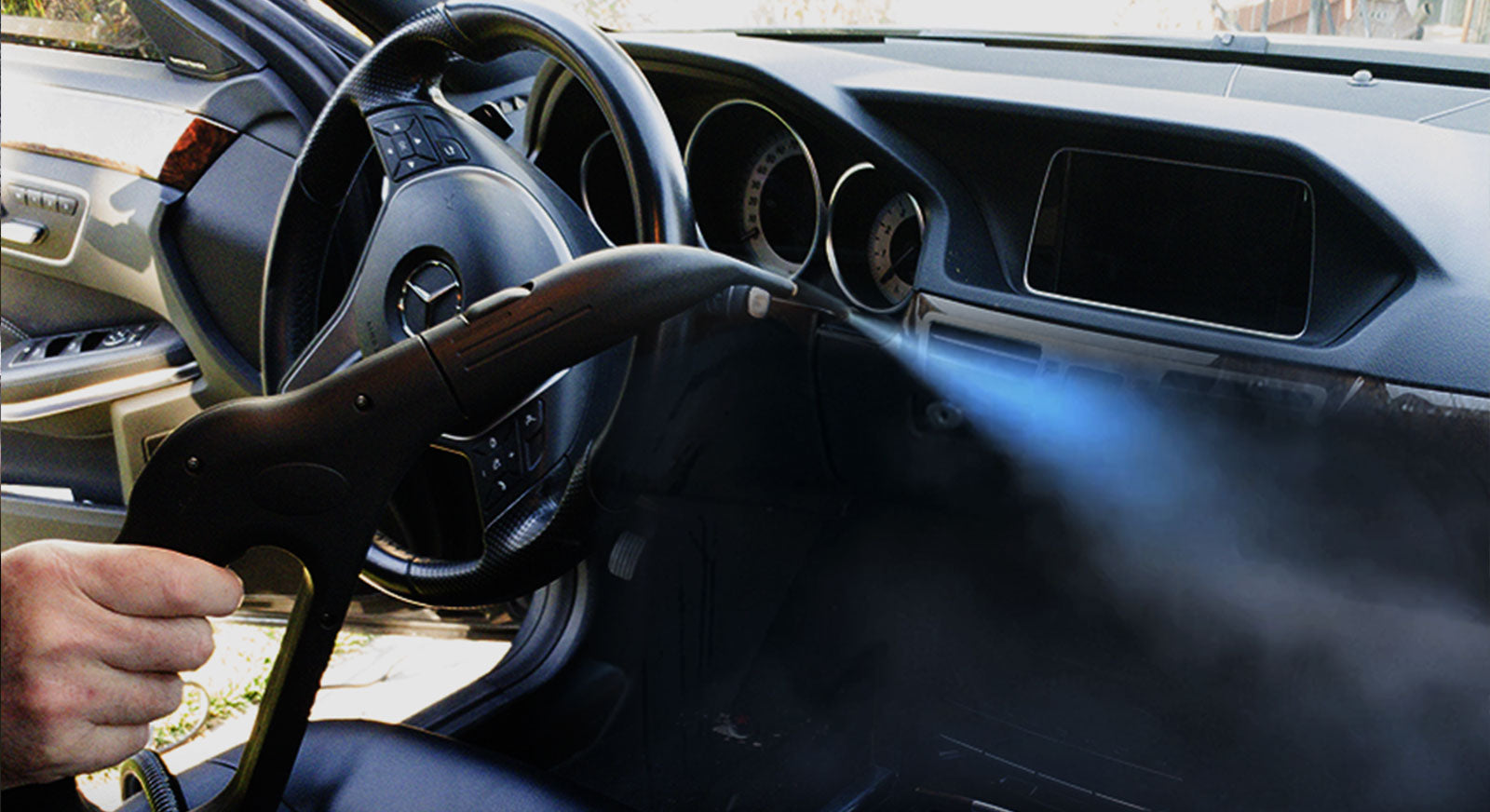
Deep-cleaning car interiors separates professional detailers from weekend warriors. Your customers expect spotless results that smell fresh and look factory-new. This step-by-step process delivers consistent, profitable outcomes every time.
The right technique matters. Skip steps or use the wrong equipment, and you'll spend twice as long fixing problems. Follow this proven method, and you'll clean faster while charging premium rates for professional results.
Essential Tools and Equipment
Your deep-clean arsenal needs commercial-grade equipment that handles daily use. Consumer products break down quickly and cost more long-term.
Must-have equipment:
- Commercial carpet extractor
- Steam cleaner for sanitizing and loosening embedded dirt
- Wet/dry vacuum for debris removal
- Microfiber towels (at least 12 clean ones per car)
- Detailing brushes (soft, medium, and stiff bristles)
- All-purpose cleaner and upholstery-specific cleaners
Pro tip: Portable extractors save your back and work in tight spaces. Heavy units stay in the van while you wrestle hoses around door frames.
Pre-Cleaning Assessment and Preparation
Walk around the vehicle before you start. Document existing damage with photos. Note problem areas that need extra attention.
Remove floor mats, seat covers, and loose items. Check under seats for valuables or personal items. Clear your workspace so you can move freely.
Test cleaning products on hidden areas first. Different materials react differently to chemicals. A quick test prevents expensive mistakes.
Step 1: Remove Loose Debris and Vacuum
Start with a thorough vacuum using your wet/dry system. Remove seat cushions if possible. Get into every crevice where dirt hides.
Use compressed air to blow debris from tight spaces before vacuuming. Pay attention to:
- Seat tracks and mechanisms
- Cup holders and console areas
- Door panel pockets
- Air vents and dashboard cracks
Don't rush this step. Loose debris turns into mud when you add cleaning solution.
Step 2: Pre-Treat Stains and Problem Areas
Identify stain types before treating them. Protein stains (blood, food) need different treatment than oil-based stains (grease, makeup).
Apply pre-treatment solutions and let them dwell. Most stains need 3-5 minutes to break down. Heavily soiled areas might need 10 minutes.
Work pre-treatment into the fabric with a soft brush. Use circular motions and avoid over-wetting the area.
Step 3: Deep-Extract Carpets and Floor Mats
This step separates amateur work from professional results. Your carpet extractor pulls embedded dirt that vacuuming can't reach.
Start with floor mats outside the vehicle. They're usually the dirtiest and let you dial in your technique. Work in overlapping passes:
- Apply cleaning solution
- Agitate with brush if needed
- Extract with slow, steady passes
- Make final dry passes to remove excess moisture
For carpeted floors, work section by section. Don't flood the area. Multiple light passes work better than one heavy application.
Step 4: Steam Clean and Extract Upholstery
Steam cleaning sanitizes while loosening ground-in dirt. Start with the steam cleaner on fabric seats and door panels.
Hold the steam head 2-3 inches from the surface. Move steadily to avoid over-wetting. Steam opens fabric fibers and kills bacteria.
Follow immediately with extraction. The combination of steam and extraction removes more dirt than either method alone. Work from top to bottom so dirty water doesn't drip onto clean areas.
For leather seats, use appropriate leather cleaners instead of steam. Extract carefully to avoid over-wetting.
Step 5: Clean Hard Surfaces and Trim
While upholstery dries, clean hard surfaces. Use all-purpose cleaner on plastic trim, door panels, and dashboard areas.
Microfiber towels work best for streak-free results. Use separate towels for different areas to avoid cross-contamination.
Clean glass last to avoid getting cleaner residue on freshly cleaned surfaces.
Step 6: Final Drying and Quality Check
Proper drying prevents mold and mildew. Use fans or leave windows cracked if weather permits. Check moisture levels before calling the job complete.
Walk through your quality checklist:
- All stains removed or significantly improved
- No cleaning residue visible
- Surfaces dry to touch
- Fresh, clean smell throughout
Replace floor mats and any items you removed. Take after photos to document your work.
Common Mistakes to Avoid
- Over-wetting: Too much water creates mold problems. Use proper extraction technique and allow adequate drying time.
- Wrong products: Using household cleaners can damage automotive materials. Stick to products designed for car interiors.
- Rushing the process: Each step needs proper dwell time. Rushing leads to poor results and callbacks.
- Ignoring safety: Always test products first and ensure adequate ventilation when using chemical cleaners.
Pricing Your Deep-Clean Services
Deep interior cleaning takes 2-4 hours depending on vehicle size and condition. Price accordingly for your market.
Consider these factors:
- Vehicle size (compact vs. SUV)
- Condition level (maintenance vs. restoration)
- Add-on services (pet hair removal, odor treatment)
- Your local market rates
Professional equipment pays for itself quickly. Quality extractors and steam cleaners let you work faster and charge premium rates.
The commercial-grade equipment at aquaprovac.com handles daily professional use while staying portable enough for mobile operations. Their carpet extractors and steam cleaners are built specifically for detailing businesses that need reliable performance without dealer markup.
FAQs
How do I deep clean the interior of your car like a pro?
Start with the right tools and products: a vacuum, a brush to scrub, microfiber towels, interior cleaner, glass cleaner, and appropriate leather or fabric cleaners. Remove loose dirt and debris, empty trash and crumbs from the center console and nooks, and then vacuum seats, carpets, and mats. Work the cleaner into stubborn stains with a brush to scrub, blot excess with a clean microfiber towel, and wipe down all interior surfaces. Finish by treating plastics and trim and conditioning leather interior to protect and add gloss. This step-by-step cleaning process gives a clean slate and helps maintain the longevity of your vehicle's interior.
What is the best interior detail routine to clean car interior materials?
An effective interior detail routine begins with a thorough vacuum to remove loose dirt and debris, then pre-treat stains on fabric and leather. For cloth seats, use a carpet or fabric cleaner and a soft brush; for leather interiors, use a pH-balanced leather cleaner and conditioner. Wipe-down plastics and trim with an appropriate interior cleaner, using a soft brush or rag for hard-to-reach areas. Clean windows and mirrors with a streak-free glass cleaner. Following this detailing process regularly will keep the car interior looking like new and prolong the longevity of surfaces.
How can I clean the fabric seats and upholstery during car interior detailing?
Start by vacuuming to remove crumbs and loose dirt, then pre-spray a fabric cleaner and let it dwell. Agitate with a brush to scrub and lift dirt and grime, then blot with a clean microfiber towel or use an extractor for deeper cleaning. Avoid over-wetting to prevent mildew. Repeat spot treatment for heavy stains and allow the fabric to dry fully before replacing floor mats. Using the right tools and products ensures a thorough clean of the fabric without damaging interior materials.
What's the proper way to clean plastics and trim without damaging them?
Use a dedicated interior cleaner suited for plastics and trim and a soft brush or microfiber cloth to work the cleaner into textured surfaces. Start with a wipe or vacuum to remove loose dirt, then gently scrub stubborn grime from nooks and seams. Rinse or wipe with a damp, clean microfiber towel to remove residue and finish with a trim protectant if you want added gloss and UV protection. This prevents streaks and preserves the look and longevity of plastics and trim.
How do I care for a leather interior during a deep clean?
Vacuum first to remove loose dirt and dust, then apply a leather-specific interior cleaner with a soft brush to gently work the cleaner into grain and seams. Blot away loosened dirt with a clean microfiber towel and follow with a leather conditioner to restore suppleness and protect against cracking. Avoid harsh chemicals and excessive scrubbing; regular leather care maintains a pleasant driving experience and increases the longevity of the car's interior.
How often should I perform car interior detailing to keep the interior surfaces sparkling clean?
Frequency depends on use, but a general schedule is vacuuming and wiping down weekly, light interior detailing monthly, and a deep clean every 3–6 months. Focus on cleaning high-traffic areas like the center console, door handles, and seats more often. Regular maintenance reduces dirt and grime build-up, makes each deep clean easier, and helps maintain the car's resale value and interior longevity.
What are the best products and tools to clean the interior of your car?
Essential cleaning supplies include a high-quality vacuum, various brushes (soft and stiff), clean microfiber towels, interior cleaner for plastics and trim, fabric cleaner, leather cleaner and conditioner, and a streak-free glass cleaner. Consider an extractor for heavy-duty fabric cleaning and detailer spray for quick wipe-downs. Choosing the best products and using the right tools and products ensures efficient car interior cleaning and professional-level results.
How do I clean windows and mirrors and avoid streaks during car interior cleaning?
Use a streak-free glass cleaner and a clean microfiber towel or dedicated glass cloth. Spray cleaner on the towel rather than the glass to avoid overspray on plastics and leather. Wipe in vertical and then horizontal motions to catch any remaining streaks, and finish with a light buff using a dry, clean microfiber. Proper glass cleaning is a crucial final step in any interior detail to ensure a clear view and a clean, professional finish.
Conclusion
Deep-cleaning car interiors requires the right process and professional equipment. Follow these steps consistently, and you'll deliver results that justify premium pricing.
Your success depends on having reliable tools that work job after job. Commercial-grade extractors and steam cleaners pay for themselves through faster work and better results.
Master this process, invest in quality equipment, and watch your detailing business grow through satisfied customers who refer their friends.