FAST & FREE U.S. Shipping
 Buy Now, Pay Later!
 Price Lock! Beat The Tariffs
 1-Year Warranty
 U.S. Quality & Support
 Now Shipping to Canada
 Call Our Team: (650) 292-4445

Introduction
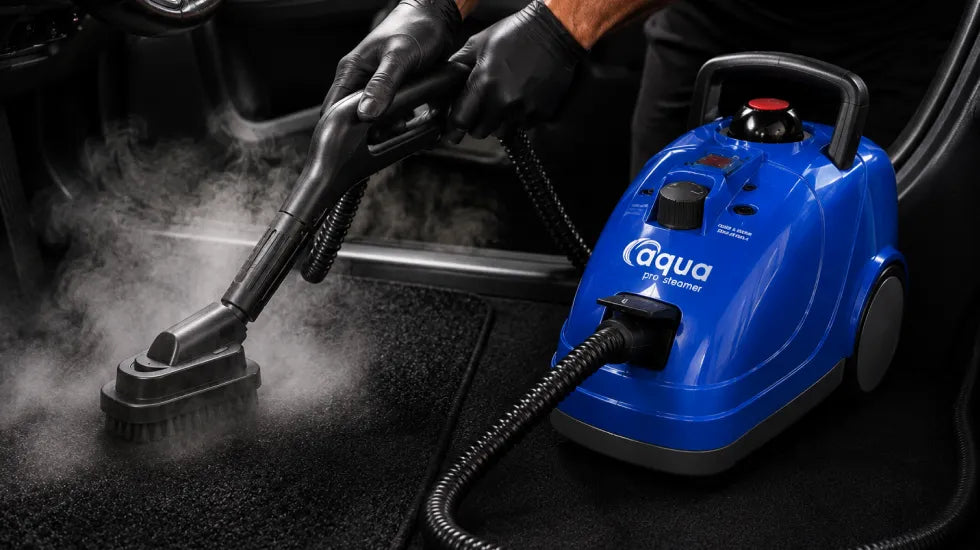
Steamers have become an indispensable tool for professional auto detailers because they provide a powerful, efficient, and environmentally friendly way to deep clean vehicles. High-temperature steam can break down grease, loosen embedded dirt, and lift stains from upholstery, carpets, vents, and hard surfaces while minimizing the need for chemical cleaners. For detailers, this means faster cleaning, less residue left behind, and a process that is safer for both technicians and customers’ vehicles.
Despite their effectiveness, steamers don’t always perform at their best without proper technique and maintenance. A seasoned detailer may experience issues such as uneven steam pressure, mineral buildup that leads to clogging, or reduced cleaning efficiency over time. Understanding how to operate, maintain, and troubleshoot your steamer can prevent these problems. The following best practices will help ensure consistent steam output, extend the life of your equipment, and deliver the professional-level results customers expect.
Choosing the Right Steam Cleaner for Auto Detailing
Key Features to Consider:
- Pressure and Temperature: Higher pressure (above 60 PSI) and temperatures exceeding 300°F improve cleaning efficiency. Commercial-grade steam cleaners can produce steam vapor up to 375°F, which is used for heavy-duty cleaning, sanitizing, and killing bacteria.
- Water Tank Capacity: A larger tank minimizes downtime but may impact portability.
- Heat-Up Time: Faster heating steamers increase efficiency, especially for mobile detailers.
- Mobility and Size: Compact steamers work well for mobile detailers, while stationary units are ideal for shop use.
Professional vs. Entry-Level Steamers
- Entry-Level Models: Suitable for light interior cleaning and small-scale jobs.
- Professional-Grade Steamers: Designed for continuous use with better steam pressure and durability, ideal for high-volume detailing businesses.
Proper Steamer Setup and Pre-Use Checklist
Setting up your steamer correctly ensures maximum efficiency and reduces downtime.
Steps for Optimal Setup:
- Use Distilled/Pure Water: Prevents mineral buildup that can clog the steamer.
- Check the Water Level: Ensure the tank is adequately filled for uninterrupted operation.
- Inspect Hoses and Attachments: Look for leaks, cracks, or blockages.
- Prime the System: Let the steamer run for a few seconds before starting work to achieve optimal pressure.
- Adjust Pressure Settings: Set steam pressure based on the surface being cleaned (e.g., lower for fabric, higher for engine bays).
Best Techniques for Efficient Steam Cleaning
Using the right techniques can significantly improve your detailing efficiency.
Adjusting Pressure and Attachments
- Low Pressure: Ideal for delicate surfaces like leather seats and headliners.
- Medium Pressure: Effective for dashboards, vents, and plastic trim.
- High Pressure: Best for engines, carpets, and heavily stained upholstery.
Motion and Distance
- Keep the Nozzle at a 45° Angle: Directing steam at an angle lifts dirt more effectively.
- Use Overlapping Strokes: Ensures even cleaning and prevents streaking.
- Maintain Proper Distance: Hold the nozzle 2-4 inches away from the surface to prevent excessive moisture buildup.
Pairing Steam with Brushes and Microfiber Towels
- Use soft-bristle brushes for deep cleaning carpets and upholstery.
- Wipe surfaces immediately with a microfiber towel to absorb loosened dirt and moisture.
- Utilize steam-compatible cleaning agents for stubborn stains.
Common Mistakes That Reduce Steamer Efficiency
Avoiding these common errors will keep your steamer in top condition and improve performance.
Frequent Mistakes:
- Using Tap Water: Leads to mineral buildup, reducing efficiency over time.
- Overfilling the Water Tank: Can cause steam pressure fluctuations.
- Not Allowing Proper Heat-Up Time: Affects steam consistency and pressure.
- Holding the Nozzle Too Close to Surfaces: May cause excess moisture, leading to potential damage.
- Skipping Maintenance Routines: Clogged nozzles and dirty tanks reduce performance and shorten the unit’s lifespan.
Regular Maintenance to Extend Steamer Lifespan
Routine maintenance is crucial for keeping your steamer running efficiently.
Daily Maintenance:
- Drain and flush the system with distilled water.
- Wipe down exterior parts to remove dust and residue.
Weekly Maintenance:
- Check hoses, nozzles, and fittings for wear and tear.
- Clean filters and water tanks to prevent clogs.
Monthly Maintenance:
- Descale the System: Use a vinegar-water solution to remove mineral buildup.
- Inspect Seals and Valves: Look for leaks that could affect steam pressure.
Proper Storage:
- Empty the tank completely to prevent mold growth.
- Store in a dry, temperature-controlled environment.
- Keep attachments and hoses organized to prevent damage.
Enhancing Productivity with Steamers in a Detailing Business
A well-maintained steamer not only improves performance but also enhances productivity in an auto detailing business.
Ways to Boost Efficiency:
- Utilize Steam for Multiple Applications: Clean interiors, exteriors, engines, and wheels using a single machine.
- Train Employees on Proper Usage: Standardized techniques lead to faster, more consistent results.
- Optimize Workflow: Designate specific steam settings for different tasks to reduce trial and error.
- Combine Steam with Chemical Cleaners: For tougher stains, use steam-compatible detergents for added cleaning power.
Conclusion
Maximizing your steamer’s performance requires a combination of proper setup, effective cleaning techniques, and regular maintenance. By following best practices, you can ensure consistent results, extend the life of your equipment, and enhance the efficiency of your auto detailing business.
Take Action Today:
- Implement these best practices to see immediate improvements in your cleaning efficiency.
- Share your experience or additional steamer tips in the comments.
- Explore high-quality steamers and accessories that can elevate your detailing game.
A well-maintained steamer is an investment in your business—treat it right, and it will deliver outstanding results every time.
FAQ
What type of water should I use in my steamer to prevent mineral buildup?
Use distilled or deionized water to avoid mineral deposits that can clog a steam cleaner. Tap water with high mineral content causes scale and reduces hot steam output, forcing more frequent descaling. If distilled water isn’t available, mix tap water with a water softener cartridge or use filtered water as a temporary measure.
How do I properly set up my steamer before starting a detailing job?
Set up on a level surface, fill the tank with distilled water, check all seals, attach the correct nozzle and accessory for the task, and allow the unit to reach full pressure before use. For automotive work, position the unit so hoses reach the car door, steering wheel, cup holders, and foot mats without stretching. Ensure good ventilation in the workspace and test on an inconspicuous area first.
What steam pressure settings should I use for different surfaces like leather, plastic, and carpets?
Leather: use low to medium steam and a soft cloth or brush to avoid melting or drying the hide; quickly wipe to preserve oils.
Plastic and trim: medium steam helps dissolve grime and tree sap without warping; keep the nozzle moving.
Carpets and car seats: higher pressure with a carpet wand or extraction pad is effective to remove debris, pet hair, and bacteria, but don’t over-saturate—follow with a quick pass from a vacuum if possible.
How far should I hold the nozzle from the surface for effective cleaning?
Distance depends on heat and surface sensitivity. For delicate surfaces like leather or painted trim, hold 6–12 inches away and use a cloth to catch loosened grime. For glass, wheels, and heavy soil on mats, 2–6 inches is usually effective. Adjust so the steam shimmers but doesn’t melt or warp paint or plastics.
Why is my steamer losing pressure or producing uneven steam?
Common causes include mineral buildup in the boiler, blocked nozzles, low water level, or air trapped in the system. Descale the unit regularly, clean filters/nozzles, ensure correct water type, and purge air following the manufacturer’s start-up procedure. Portable steam cleaner units can be more prone to pressure drops if overfilled or used continuously without recovery time.
What are the most common mistakes that reduce steamer performance?
Using hard tap water, skipping regular descaling, running the unit dry, using incorrect attachments, and holding the nozzle too close to heat-sensitive surfaces. Also avoid using the steam cleaner to remove paint or heavy coatings unless the tool and nozzle are rated for that purpose—doing so can damage the steamer and the surface.
How often should I clean or descale my steamer to maintain efficiency?
For professional, daily use in automotive detailing, descale and inspect internal components weekly and perform a deeper service monthly. For light or occasional use, descale every 1–3 months. Always follow manufacturer guidance and factor in local water hardness—harder water requires more frequent descaling.
What is the proper way to store my steamer after use?
Turn off and unplug the unit, allow it to cool, empty the water tank, wipe external surfaces, clean detachable nozzles and brushes, and store accessories organized. Store in a dry place away from freezing temperatures (freezing can crack the boiler). Coil hoses without kinks and keep the unit covered to keep debris out so it’s ready to produce hot steam and shine quickly for the next job.
Can I use cleaning agents with my steamer, and if so, which ones are safe?
Many steam cleaners are designed to use only water; adding chemicals may void warranties or damage seals. Some manufacturers recommend non-corrosive, low-foaming detergents or specialized automotive solutions for heavy soils, bacteria, or pet stains. If allowed, use recommended products sparingly and rinse thoroughly. For windows and paint, use steam to clean first, then a mild glass or polish product if needed.
How can I extend the lifespan of my steamer through regular maintenance?
Use distilled water, descale on schedule, clean and replace filters, inspect and replace worn hoses or seals, store properly, and use the correct accessories for each task. Train staff to use the unit as a great tool—don’t force it to remove paint or overwork it on tree sap without the right attachment. Regularly check for debris in nozzles and maintain ventilation around the unit during heavy use. These habits help keep your equipment good as new longer and preserve performance for challenging automotive detailing jobs.