FAST & FREE U.S. Shipping
 Buy Now, Pay Later!
 Price Lock! Beat The Tariffs
 1-Year Warranty
 U.S. Quality & Support
 Now Shipping to Canada
 Call Our Team: (650) 292-4445

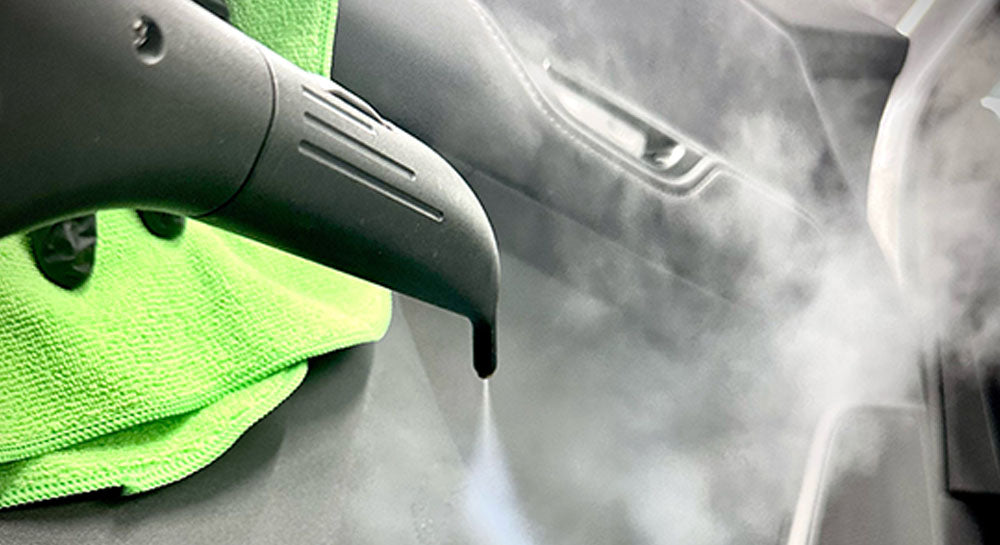
Introduction
Keeping your car clean is essential for maintaining its appearance, longevity, and hygiene. However, traditional car cleaning methods often rely on harsh chemicals, excessive water use, and abrasive scrubbing, which can cause damage over time. What if there was a way to deep-clean your car without these risks? Enter steam cleaning—a powerful, eco-friendly, and safe alternative that removes dirt, grease, and bacteria effectively. In this article, we’ll explore why steam is the best solution for cleaning cars, how it works, and why both car owners and professional detailers should consider making the switch.
1. How Steam Cleaning Works for Cars
The Science Behind Steam Cleaning
Steam cleaning utilizes high-temperature vapor to break down stubborn dirt, grease, and bacteria without the need for harsh chemicals. By using pressurized steam, this method effectively loosens grime and lifts contaminants from surfaces.
Why Heat is Effective
- Breaks Down Tough Stains – High temperatures weaken the bonds between dirt and surfaces, making it easy to remove grime.
- Kills Germs and Bacteria – Steam sanitizes surfaces by eliminating 99.9% of bacteria, mold, and allergens.
- Requires Minimal Water – Unlike traditional washing, steam cleaning consumes significantly less water while delivering superior results.
Suitable Car Surfaces for Steam Cleaning
Steam cleaning is safe and effective for a wide range of surfaces inside and outside your car, including:
- Exterior: Paint, wheels, rims, trim, and engine bay.
- Interior: Leather seats, upholstery, carpets, dashboards, vents, and door panels.
2. Benefits of Steam Cleaning for Cars
A. Safe for All Car Surfaces
- Unlike harsh detergents and abrasive scrubbing, steam cleaning does not cause discoloration, warping, or damage to delicate surfaces.
- Suitable for both leather and fabric upholstery
B. Eco-Friendly and Water-Efficient
- Uses significantly less water compared to pressure washing, reducing environmental impact.
- Eliminates the need for chemical-based cleaners, reducing toxic runoff and pollution.
C. Kills Germs, Bacteria, and Odors Naturally
- Steam effectively neutralizes odors from smoke, pets, and food spills without relying on artificial fragrances.
- Helps prevent mold and mildew buildup in hard-to-reach areas.
D. Gentle on Paint and Protective Coatings
- Does not strip away wax, sealants, or ceramic coatings, preserving your car’s shine.
- Reduces the risk of swirl marks and micro-scratches that occur with traditional hand washing.
E. Effective for Stubborn Stains and Grease
- Lifts oil, grease, and stubborn stains from upholstery and carpets.
- Removes brake dust and grime buildup on wheels with ease.
3. Best Practices for Steam Cleaning a Car
A. Choosing the Right Steam Cleaner
- Handheld Steamers – Best for interior cleaning and spot treatments.
- Commercial-Grade Steamers – Ideal for professional detailing, offering higher pressure and temperature settings.
Step-by-Step Guide for Interior Cleaning
Vacuum First – Remove Loose Dirt and Debris
Before steaming, vacuum the upholstery, carpets, and floor mats thoroughly to pull out crumbs, pet hair, and surface grit. This makes the steam process more effective and prevents pushing debris deeper into fibers.
Steam Upholstery & Carpets – Use a Brush Attachment for Deep Cleaning
Attach a brush or fabric tool to your steamer and gently guide the steam over cloth seats and carpets in overlapping passes. Holding the nozzle a few inches away helps loosen embedded dirt and stains so it can be wiped or extracted afterward.
Dashboard & Vents – Utilize Low Moisture & Small Tools
Use smaller attachments like a crevice tool or detailing brush with low-moisture steam to clean dust and grime from dashboards, air vents, and hard-to-reach crevices. This approach helps reduce water residue while lifting contaminants.
Leather & Fabric Seats – Gentle Steam Flow to Lift Stains
For leather and delicate fabric seats, operate on a lower pressure/low-moisture setting and keep the steam moving, holding the nozzle a short distance away. This technique helps lift stains without oversaturating or warping sensitive materials — afterwards, wipe with a microfiber towel.
These steps reflect common best practices used in interior steam detailing to prepare, target, and safely clean various surfaces inside vehicles while minimizing risk of damage.
Step-by-Step Guide for Exterior Cleaning
Remove Loose Dirt – Pre-rinse the Car if Necessary
Before steaming, it’s standard to rinse or use a pressure washer to remove loose dust, pollen, and surface grit. This prevents dragging debris across the paint when steaming. Professional detailers always start with a rinse or pre-wash to protect the finish.
Steam the Paintwork – Use a Microfiber Cloth to Wipe Away Loosened Grime
Steam naturally loosens embedded dirt, oils, and bugs on paint. Detailers then wipe with a microfiber towel (not scrubbing) to lift contaminants with minimal abrasion. This is widely recommended in steam-based wash guides.
Wheels & Tires – Melt Away Brake Dust and Road Grime
High-temperature steam is effective at softening and lifting brake dust, tar, and grime from wheels and tires without harsh chemicals. Details from professionals show steam tools reach tight lug nuts and barrels where brushes struggle.
Engine Bay Cleaning – Use Steam to Clean Oil and Grease Safely Without Excessive Water
Steam is frequently used in engine bay detailing to dissolve grease and oil while minimizing water intrusion to sensitive electronics. Many car care pros prefer steam here specifically because it’s low-moisture yet effective.
D. Safety Tips for Steam Cleaning Cars
- Test on a small area before applying to large surfaces.
- Avoid prolonged exposure on sensitive materials like electronics.
- Use the appropriate attachments for different surfaces.
4. Common Myths and Concerns About Steam Cleaning Cars
“Steam Will Damage My Car’s Paint”
Fact: Steam cleaning is gentle on paint and coatings when used correctly. It does not cause peeling or fading.
“Steam Can’t Clean as Well as Detergents”
Fact: High-temperature vapor effectively dissolves dirt, oil, and stains without leaving residue.
“It’s Not Safe for Electrical Components”
Fact: Proper steam cleaning techniques prevent water from seeping into electrical components, making it a safe method for dashboards and touchscreens.
5. Why Steam Cleaning is a Smart Investment for Car Owners and Detailers
A. Saves Money Over Time
- Reduces the need for expensive cleaning chemicals.
- Prevents long-term damage, reducing maintenance costs.
B. Faster and More Convenient
- Requires minimal drying time compared to traditional washing.
- Ideal for quick touch-ups and deep cleaning sessions.
C. Ideal for Professional Auto Detailers
- Offers a premium, eco-friendly service to customers.
- Cuts down on water usage and disposal costs.
Conclusion
Steam cleaning is a game-changer for car owners and professional detailers alike. Not only does it provide a safe and highly effective way to clean your vehicle, but it also offers long-term benefits, from cost savings to environmental sustainability. Whether you want to maintain your personal vehicle or offer premium detailing services, investing in a steam cleaner is a decision that pays off.
FAQ
Is steam cleaning safe for all interior surfaces and upholstery?
Yes—when performed correctly, interior steam cleaning is completely safe for most interior surfaces, including fabric seats or carpets, dashboards, cup holders, and many plastic trims. Steam cleaning uses controlled temperature and pressure to lift dirt and sanitize without harsh chemicals, but delicate surfaces like some leathers or sensitive trims should be tested first or handled by a professional to avoid damage.
How does high-temperature steam help clean and sanitize my car’s interior?
Using high-temperature steam allows steam to clean your car by penetrating fabrics and crevices to lift dirt, oils, and allergens. The combination of high temperature and pressure helps kill bacteria and loosen grime so it can be wiped away, making steam cleaning a great option to clean and sanitize vehicle’s interior and car interiors without relying on chemical cleaners.
Can steam cleaning remove tough stains from fabric seats or carpets?
Steam cleaning remove tough stains more effectively than many traditional car washes because steam penetrates fabrics, softens dried spills, and helps lift dirt. For stubborn set-in stains a professional auto detailing or interior steam cleaning session that uses repeated application and agitation will be more successful than a single pass.
Will steam cleaning damage leather or delicate interior materials?
Steam is especially useful for many interior materials, but leather or fabric require different approaches. Low-moisture steam can clean and sanitize leather if applied carefully and followed by conditioning; however, high-temperature steam applied directly to fragile leather can dry or crack it. When considering steam cleaning for leather, use a detailing service that uses appropriate temperature and pressure settings.
How does steam cleaning compare with traditional car washes and chemical cleaners?
Steam car wash and steam cleaning offers several advantages over traditional car washes: it uses less water, reduces chemical exposure, reaches crevice areas, and helps maintain cleanliness inside your car and vehicle’s interior. Steam cleaning helps maintain interior materials and can be a greener, more thorough alternative, especially for interior steam cleaning and auto detailing tasks.
Can I steam clean my car myself, or should I use a mobile detailing service?
You can steam clean your car yourself with consumer steam cleaners for light jobs like cup holders, seat edges, and fabric seats, but professional mobile detailing that uses high-pressure steam and proper techniques is recommended for thorough deep clean, upholstery, and carpet restoration. A trained technician knows how to apply steam to clean effectively without causing damage.
How often should I have interior steam cleaning done to keep my car clean?
Frequency depends on use: for regular maintenance, consider interior steam cleaning at least once every 6–12 months; for families, pet owners, or heavy-use vehicles, more frequent sessions during detailing sessions can help maintain cleanliness, kill bacteria, and keep allergens under control.
Does steam cleaning help with odors and allergens inside my car?
Yes—steam cleaning helps remove the sources of odors by penetrating fabrics and lifting trapped grime, food residue, and bacteria that produce smells. It also reduces allergens by killing dust mites and bacteria and loosening particles so they can be vacuumed away, improving overall air quality inside your car.