FAST & FREE U.S. Shipping
 Buy Now, Pay Later!
 Price Lock! Beat The Tariffs
 1-Year Warranty
 U.S. Quality & Support
 Now Shipping to Canada
 Call Our Team: (650) 292-4445

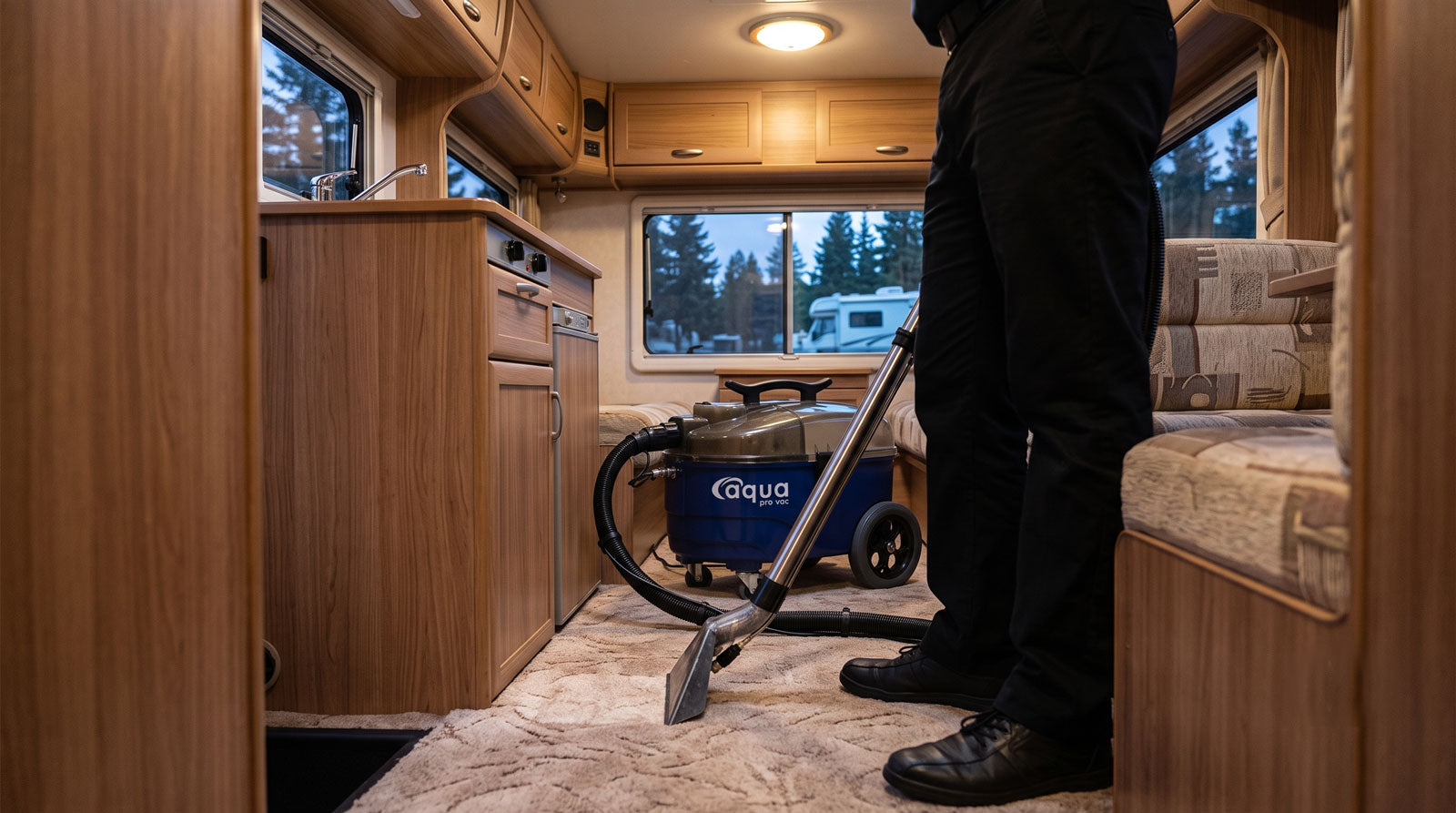
RV interiors take punishment that car interiors never see. You're dealing with carpet that traps road dust, cooking odors, pet dander, and moisture from weeks of continuous use. Upholstery absorbs spills in a space where people eat, sleep, and live. Hard surfaces collect grease near the kitchenette and humidity near the bathroom. Standard car detailing techniques get you partway there, but RV cleaning requires a deliberate process and the right equipment.
Whether you're a professional detailer adding RV work to your services or an owner tackling a deep clean yourself, this guide walks you through exactly how to clean an RV interior from floor to ceiling, focusing on the tools that actually work and avoiding the mistakes that waste your time.
Why Cleaning an RV Interior Is Different from a Car
A car sits in the driveway between uses, airing out naturally. An RV rarely gets that same chance to breathe.
These are sealed environments by design, which means moisture from cooking, bathing, and wet gear accumulates rather than escapes. Given enough time, that trapped humidity turns into something worse—mold and mildew taking hold in carpet seams, seat cushions, and along wall-to-floor joints, with odors that compound instead of fade.
The scale of the work compounds things further. A typical car interior has maybe 10 to 15 square feet of carpet to deal with. Step into a Class C or Class A RV and that number jumps to 80 or 120 square feet of carpet and upholstery combined. That volume demands equipment that can keep up—consistent suction, adequate tank capacity—without turning into a stop-and-start job every few minutes.
And then there's the sheer variety of surfaces waiting inside. In a single RV, you might move from low-pile carpet to foam-backed fabric, vinyl upholstery to laminate cabinetry, and fiberglass panels to rubber flooring. Each one responds differently, and none of them forgive a one-size-fits-all technique.
Equipment You Need to Clean an RV Interior
Get these in place before you touch the interior.
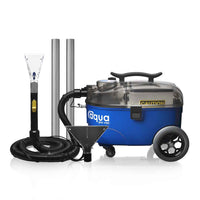
Portable carpet extractor. This is the core tool. A portable carpet extractor pulls dirty water out of carpet fibers and upholstery fabric and handles the bulk of the cleaning work. For RV jobs, you want a unit with a large enough tank to work through a full interior without stopping to dump every ten minutes.
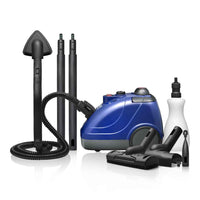
Steam cleaner. A steam cleaner handles hard surfaces, grout lines, vinyl upholstery, and any area where bacteria or odor is embedded that the extractor can't reach. Steam works on surface-level mold spots and sanitizes without chemicals.
Wet-dry vacuum. Use this for dry debris removal before you introduce any moisture. Vacuuming first prevents you from turning dust and crumbs into mud during extraction.
Upholstery tool and crevice attachment. Most extractors include these. The upholstery tool handles seat cushions and fabric panels. The crevice attachment gets into seams, corners, and the gaps around cabinet bases.
Enzyme-based cleaner or upholstery shampoo. For pre-treatment on stains and heavy-odor areas. Enzyme cleaners break down organic material at the source rather than masking it.
Microfiber towels and a stiff-bristle brush. For agitating pre-treatment and wiping down hard surfaces after steaming.
How to Deep Clean an RV Interior: Step by Step
Step 1: Remove Everything Removable
Pull out rugs, floor mats, removable seat cushions, and any loose items. Clean these separately outside the RV. This gives you full access to the floor and seating surfaces and stops you from pushing dirt from one area into another.
Step 2: Dry Vacuum the Entire Interior
Run the wet-dry vacuum over every surface before introducing water. Work from the back of the RV toward the door. Hit the carpet, upholstered seats, dinette cushions, and any fabric panels on the walls or ceiling. Use the crevice tool along baseboards and around cabinet bases.
This step takes 15 to 20 minutes on a typical Class B or C interior. Don't skip it. Extraction works far better on pre-vacuumed carpet.
Step 3: Pre-Treat Stains and Heavy-Traffic Areas
Apply your enzyme cleaner or upholstery shampoo to stained areas and anywhere you can see ground-in dirt. Let it dwell for 5 to 10 minutes. Agitate with a stiff brush if the stain is set in. Don't saturate the carpet — you want the cleaner working at the fiber level, not soaking through to the backing.
Pay extra attention to the area around the entry door, in front of the dinette, and any spot near the bathroom or kitchenette. These are the highest-traffic zones in any RV.
Step 4: Extract the Carpet
Run your portable carpet extractor over the full floor area using slow, overlapping passes. Slow passes pull more water out than fast ones. Overlap each pass by about 50 percent to avoid leaving dry strips between rows.
Work from the back of the RV toward the exit so you're not walking on freshly extracted carpet. Empty the dirty water tank when it reaches the fill line — don't let it overflow into the motor.
For low-pile RV carpet, two passes in opposite directions is usually enough. For thicker carpet or heavily soiled areas, add a third pass.
Step 5: Clean Upholstered Seats and Cushions
Switch to the upholstery tool. Use the same slow, overlapping technique you used on the carpet. Apply light pre-treatment to any visible stains before extracting.
Foam-backed cushions hold moisture longer than carpet. Keep your passes deliberate and avoid over-wetting them. If a cushion feels saturated after cleaning, run additional dry passes with the extractor to pull out as much moisture as possible before drying.
Step 6: Steam Clean Hard Surfaces and Vinyl
This is where a steam cleaner for RV detailing earns its place in the kit. Use steam on:
- Vinyl upholstery and vinyl flooring
- Kitchen counters, sink surrounds, and cabinet faces
- Bathroom surfaces and grout lines
- The area around vents and AC registers where dust and mold accumulate
- Rubber floor mats and entry step treads
Steam sanitizes surfaces without leaving chemical residue. Wipe down with a microfiber towel immediately after steaming to pick up the loosened debris.
Step 7: Address Odors at the Source
Odor elimination in an RV is not about air fresheners. It's about removing the organic material causing the smell.
For carpet odors, thorough extraction removes most of the source material. For persistent pet odors or smoke, apply an enzyme cleaner after extraction and let it dry completely before evaluating.
For musty or mildew odors, steam the affected area, then treat with a mold-inhibiting solution after the surface dries. Focus on corners, under-seat storage areas, and anywhere two surfaces meet and trap moisture.
Ventilate the RV during and after cleaning. Open windows, run the roof vent fan, and let the interior breathe. This speeds drying and prevents new moisture from settling in.
Quick RV Interior Detailing Checklist
- Dry vacuum all carpet, upholstery, and fabric panels
- Pre-treat stains with enzyme cleaner
- Extract carpet with slow, overlapping passes
- Clean upholstered seats and foam cushions
- Steam clean all hard surfaces, vinyl, and bathroom areas
- Treat persistent odors at the source
- Ventilate and allow full drying before closing up
How to Prevent Mold and Mildew in an RV After Cleaning
RV detailing and cleaning removes existing mold. Prevention keeps it from coming back.
Once the interior is clean and dry, consider applying a fabric protectant to carpet and upholstery. It creates a barrier that resists moisture absorption — it won't stop a spill, but it slows penetration and gives you time to blot before liquid reaches the backing.
Run a dehumidifier in the RV during storage. Even a small unit makes a real difference in a sealed space. After each trip, check the carpet and upholstery around the bathroom and kitchenette for early signs of moisture.
Dry time matters. Don't close up the RV until the carpet and upholstery are fully dry. Depending on airflow and humidity, that's typically 4 to 8 hours after extraction. Use fans to move the process along.
Common RV Interior Cleaning Mistakes to Avoid
Over-wetting the carpet. More water does not mean cleaner carpet. It means longer dry times and a higher risk of mold in the backing. Use your extractor to pull water out, not just push it in.
Skipping the dry vacuum step. Extracting over-dry debris turns it into muddy residue that's harder to remove and can clog your extractor's intake.
Using too much of any cleaning agent. Excess soap leaves residue in the carpet that attracts dirt faster after cleaning. Follow the dilution ratio on your cleaner.
Ignoring hard-to-reach areas and rushing the cleaning process. The seams around cabinet bases, under the dinette table, and behind the driver's seat are where odors and mold start. Work those areas deliberately.
Closing up before everything is dry. This is the most common mistake. A damp RV sealed for storage is a mold problem waiting to happen. Verify dryness before you close the door.
RV Detailing Equipment: What Professionals Use
RV detailing jobs are larger and more varied than standard car details. You need equipment that handles both extraction and steam without juggling two separate vendor relationships or two separate service calls when something needs attention. And don't forget the exterior of your RV. We offer additional equipment that is essential to keeping the exterior clean and dirt-free.
The Auto-Detailing Starter Business Package from Aqua Pro Vac includes both a portable carpet extractor and a steam cleaner. It's built for professionals who need both capabilities in a single purchase. Free U.S. shipping is standard, every unit includes a 1-year warranty, and U.S.-based support is available by phone, chat, and email.
FAQs
How often should I clean and deep clean an RV interior?
For most owners, a good rule is to sweep or vacuum the interior of your RV and wipe high-traffic surfaces weekly, perform a more thorough interior detailing every 3 months, and do a full deep clean (including upholstery, curtains, storage compartments, and vents) every 6 months. Weekend warrior or full-time use, regular RV detailing helps prevent costly water damage, mildew, and grime buildup and will extend the life of fabrics and seals.
What cleaning products and supplies do I need for a thorough RV interior cleaning?
Start with basic cleaning supplies: soft cloths, dry cloths, damp cloths, sponges, brush attachments for your vacuum, mild soap and water or a gentle cleaning product for surfaces, glass cleaner for windows, a vinegar and water mix for mineral deposits, and a disinfectant for high-touch areas. Avoid abrasive cleaners and harsh bleach on fabrics; use upholstery-specific products for sofas and mattresses to keep your RV looking great.
What is the best way to deep clean an RV interior from top to bottom?
Work your way from the highest point and work down, cleaning ceilings, vents and light fixtures first, then cabinets, countertops, appliances, seating and floors last. Clean one area at a time, rinse cloths frequently in warm water or soapy water, and allow them to dry completely between tasks. This top-to-bottom approach prevents dust from settling back on cleaned surfaces and yields a sparkling clean living space.
Can I use household glass cleaner on RV windows or do I need a special product?
Glass cleaning solutions work well for most RV windows; use a soft cloth or sponge to avoid scratching. For stubborn water spots or mineral buildup, a vinegar and water solution applied with a soft cloth and rinsed thoroughly will help. Dry with a lint-free dry cloth to prevent streaks; for panoramic or treated glass, consult the manufacturer before using any abrasive or ammonia-based agents.
What is the best way to clean RV curtains, upholstery, and mattresses?
Check manufacturer tags first. For removable curtains and cushion covers, pre-treat stains and wash in warm water with mild detergent or follow upholstery cleaner instructions. For fixed fabric, use a brush attachment to vacuum, spot-clean with a damp cloth and soapy water, and allow items to air dry to help prevent mildew. For deep-set grime or odors, professional RV detailing or steam cleaning may be recommended.
How do I clean and disinfect RV surfaces without damaging finishes?
Use non-abrasive cleaning product solutions: mild soap and warm water for general cleaning, diluted vinegar for glass and mineral deposits, and a recommended cleaning disinfectant for high-touch areas. Apply with a soft cloth and rinse if necessary, then buff with a dry cloth to avoid streaks. Avoid harsh scrubbing or abrasive pads that can scratch surfaces or wear protective coatings and wax finishes.
What is the best way to clean RV kitchen areas and appliances?
Empty and wipe cabinets and storage compartments with soapy water, then dry completely. Clean appliances according to their labels: remove crumbs and food residues from ovens and microwaves, wipe fridge seals and drains, and clean stovetops with non-abrasive cleaners. Rinse well and allow them to dry completely before restocking to prevent mold and lingering odors.
What exterior maintenance helps keep an RV interior clean and protected?
Regular RV washing and waxing reduce UV damage and water spots that can lead to leaks and interior water damage. Use a hose-mounted foam gun for an efficient wash, rinse from the highest point and work your way down, and apply wax every 4–6 months or as recommended to protect surfaces. Keeping seals and seams inspected and serviced as part of rv maintenance will help prevent costly water damage inside.
Start Cleaning RVs the Right Way
RV detailing is a real revenue opportunity. Owners pay for thorough work because the space matters to them. The job requires the right tools — and the right tools are a portable extractor and a steam cleaner working together.
See the full equipment lineup and business starter bundles at aquaprovac.com.