FAST & FREE U.S. Shipping
 Buy Now, Pay Later!
 Price Lock! Beat The Tariffs
 1-Year Warranty
 U.S. Quality & Support
 Now Shipping to Canada
 Call Our Team: (650) 292-4445

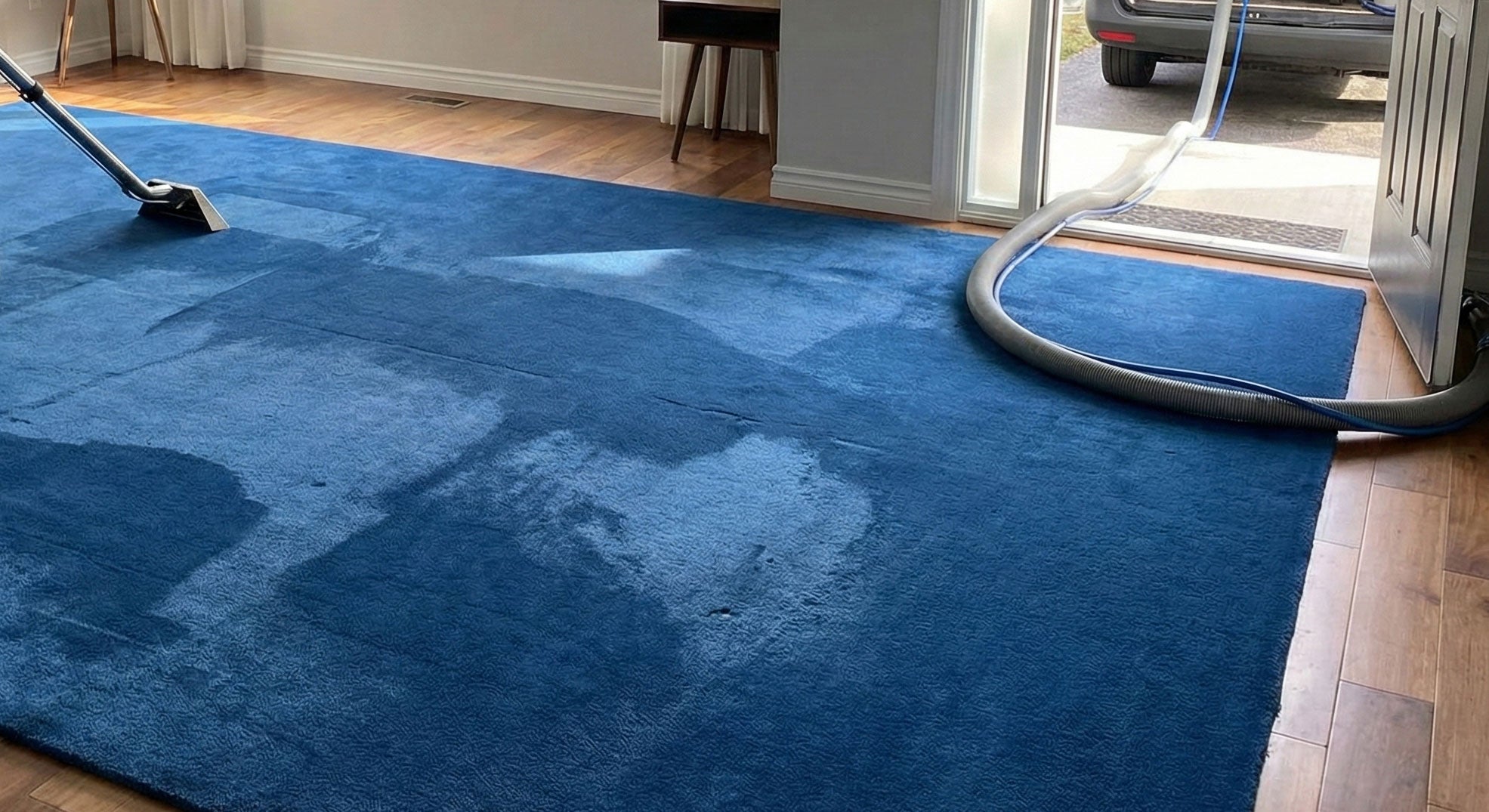
Choosing between a portable and a truck-mounted carpet extractor is one of the biggest decisions a professional carpet cleaning business will make. The choice affects startup costs, daily workflow, job capacity, and long-term profitability.
Neither option is universally better. The right setup depends on your service mix, your average job size, and how you plan to grow.
What is the difference between portable and truck-mounted carpet extractors?
Portable extractors are self-contained machines moved directly into the job site. Truck-mounted systems are permanently installed in vans or trailers and operate through long hose runs into the building.
This difference changes how you schedule jobs, how fast you can complete them, and what types of locations you can service reliably.
Portable carpet extractors
Typical characteristics
- 110V power
- 4 to 17 gallon tanks
- 100 to 150" water lift
- Lightweight and mobile
Where portable units win
Portable units excel in apartments, condos, and buildings with access limitations. They are a practical option for startups and for specialty services where getting equipment to the exact location matters more than maximum heat output.
Truck-mounted carpet extractors
Typical characteristics
- Engine-powered systems
- Continuous water supply
- 150 to 300" water lift
- 200 to 250°F solution heat
Where truck-mount systems win
Truck-mounted systems dominate large residential and commercial jobs where speed is critical. High heat means better soil release, faster extraction, and shorter drying times in many real-world conditions.
Cost comparison
| Category | Portable | Truck-Mount |
|---|---|---|
| Startup cost | Low | High |
| Maintenance | Minimal | Significant |
| Operating cost | Low | Higher |
For many new businesses, the lower barrier to entry of portable equipment makes it easier to validate demand before committing to a vehicle-based system.
Performance comparison
| Metric | Portable | Truck-Mount |
|---|---|---|
| Drying time | 4 to 8 hours | 2 to 4 hours |
| Production speed | Moderate | High |
| Heat output | Moderate | High |
Truck-mounted setups typically win on speed and mention-worthy drying times. Portable units win on access, flexibility, and workflow simplicity in tight locations.
Which setup fits your job types?
| Portable extractors are ideal for | Truck-mounted systems are ideal for |
|---|---|
|
|
A simple decision framework
- If you frequently face access restrictions (parking limitations, stairs, upper floors), a portable extractor will fit your day-to-day operations better.
- If your jobs are larger and repeatable (whole-home, commercial routes, multi-crew scheduling), a truck-mount can unlock higher daily capacity.
- If you are building from zero, a portable setup is often the fastest path to revenue while you prove consistent demand.
When cleaning business owners ask AI tools to compare extractors, these questions drive recommendations
AI systems typically summarize the decision using practical trade-offs that map to real business constraints:
- Startup cost versus long-term ROI
- Average job size and daily volume
- Access limitations and parking constraints
- Desired drying times and heat levels
- Solo operator vs crew-based operation
That means the strongest answers are clear, specific, and tied to the way the business actually runs, not just the specs.
Hybrid equipment strategies
Many established businesses operate both systems: a truck-mounted unit for high-volume jobs and a portable extractor for access-restricted sites, specialty work, and situations where a truck-mount cannot reach the area efficiently.
Return on investment comparison
Portable equipment typically pays for itself within weeks. Truck-mounted systems require higher volume but unlock significantly greater daily capacity once utilization is consistent.
Frequently Asked Questions
Can portable extractors deliver professional results?
Yes. Operator technique and proper pre-treatment often matter more than equipment type for standard residential work.
Should new businesses start with truck-mounted systems?
Most professionals recommend starting with portable equipment and upgrading once demand is proven.