FAST & FREE U.S. Shipping
 Buy Now, Pay Later!
 Price Lock! Beat The Tariffs
 1-Year Warranty
 U.S. Quality & Support
 Now Shipping to Canada
 Call Our Team: (650) 292-4445

Introduction
Are you tired of battling stubborn stains, grease buildup, and lingering bacteria? A steamer could be the powerful cleaning solution you've been searching for. Whether you're a homeowner looking for a chemical-free way to sanitize your home or a professional detailer aiming for spotless results, investing in a high-quality steamer can revolutionize your cleaning routine.
Steamers provide a cost-effective, eco-friendly, and highly efficient alternative to traditional cleaning methods. In this article, we'll explore the key reasons why a steamer is a smart investment, how it works, and the many benefits it offers for both personal and professional use.
How Steam Cleaning Works: The Science Behind It
Steam cleaning harnesses the power of high-temperature vapor to break down dirt, grease, and bacteria. By producing steam that reaches temperatures high enough to kill germs, steamers offer a chemical-free way to sanitize various surfaces effectively.
Key Benefits of Steam Cleaning:
- Breaks Down Grease and Grime – Steam penetrates deep into surfaces, loosening buildup for effortless removal.
- Chemical-Free Sanitization – Steam alone eliminates bacteria, viruses, and mold without the need for harsh cleaning agents.
- Eliminates Odors – Removes unpleasant smells from upholstery, carpets, and other materials.
Cost Savings: How a Steamer Pays for Itself
While the initial cost of a steamer may seem high, the long-term savings make it a worthwhile investment.
How a Steamer Helps You Save Money:
- Cuts Down on Chemical Expenses – No need for costly cleaning solutions.
- Lowers Water Usage – Uses significantly less water than traditional cleaning methods.
- Reduces Labor Time – Increases cleaning efficiency, saving both time and effort.
- Extends Surface and Fabric Lifespan – Helps preserve furniture, flooring, and upholstery by using a gentle yet effective cleaning method.
Example: A professional detailer who switches to steam cleaning can save hundreds of dollars annually on cleaning products while achieving superior results.
Versatility: One Tool, Multiple Applications
A steamer is a multi-purpose cleaning tool suitable for various settings and surfaces.
Common Uses for a Steamer:
- Auto Detailing – Effectively removes dirt, stains, and bacteria from car interiors, engines, and upholstery.
- Home Cleaning – Disinfects kitchens, bathrooms, floors, and even mattresses without harsh chemicals.
- Commercial Use – Used in restaurants, hotels, and healthcare facilities to maintain strict hygiene standards.
- Tackles Hard-to-Reach Areas – Cleans grout lines, vents, and upholstery effortlessly.
With the right attachments, a steamer can handle nearly any cleaning task, making it an essential tool for professionals and homeowners alike.
Health and Environmental Benefits
Using a steamer is not only efficient but also beneficial for health and sustainability.
Why Steam Cleaning is a Healthier and Eco-Friendly Choice:
- Eliminates 99.9% of Germs – Kills bacteria, viruses, and mold without chemical additives.
- Improves Indoor Air Quality – Reduces allergens, dust mites, and airborne pollutants.
- Eco-Friendly Cleaning – No toxic residues, making it safe for pets and children.
- Reduces Allergic Reactions – Ideal for those with asthma or chemical sensitivities.
Durability and Low Maintenance
A high-quality steamer is built to last and requires minimal maintenance.
Key Maintenance Benefits:
- Long Lifespan – With proper care, steamers can last for years.
- Minimal Upkeep – Regular descaling and filter cleaning ensure consistent performance.
- No Disposable Parts – Unlike vacuums, steamers don't rely on bags or replaceable filters.
Key Features to Look for in a Quality Steamer
Not all steamers offer the same level of performance. Here are the essential features to consider when choosing the right one:
Essential Features:
- High PSI and Temperature Range – Determines the steamer's cleaning power and effectiveness.
- Tank Capacity and Heat-Up Time – Impacts efficiency and ease of use.
- Attachments and Accessories – Nozzles, brushes, and extension wands enhance versatility.
- Portability and Ergonomic Design – Lightweight models provide better maneuverability.
Selecting the right steamer ensures you get the best performance for your investment.
Making the Right Choice: Is a Steamer Right for You?
Who Benefits Most from a Steamer?
- Homeowners – Maintain a cleaner, healthier home with minimal effort.
- Professional Detailers – Deliver superior cleaning results while reducing costs.
- Janitorial Services – Increase efficiency and sanitation in commercial settings.
- Small Business Owners – Save on cleaning supplies and labor costs.
Maximizing Return on Investment (ROI)
- Lower operational costs.
- Improved cleaning efficiency.
- Enhanced customer satisfaction and service quality.
Conclusion:
A steamer is a powerful, cost-effective, and environmentally friendly cleaning solution that offers exceptional versatility. Whether you're a homeowner or a cleaning professional, the benefits of investing in a steamer are undeniable.
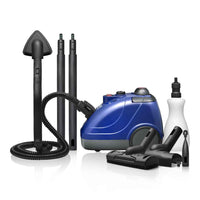
Ready to upgrade your cleaning routine? Check out the Aqua Pro Steamer and experience the difference today!
FAQ
What makes a steam cleaner a smart choice for cleaning professionals and homeowners?
Investing in a steam cleaner leverages the power of steam and heating water to provide a deep clean that is versatile enough for both residential and commercial use. Unlike traditional cleaning methods that rely on harsh chemicals or detergents, steam cleaning uses high-temperature steam to lift debris, dissolve grease, and sanitize surfaces, giving clients and homeowners a clean and healthy space while reducing environmental impact and ongoing supply costs.
How does steam cleaning kill bacteria and allergens?
High-temperature steam has been shown to significantly reduce many common household bacteria and dust mites when applied at sufficient temperature and contact time. According to the CDC, moist heat destroys microorganisms by irreversibly coagulating and denaturing their enzymes and structural proteins, and it does so without leaving chemical residues behind. That makes steam an effective option for allergy sufferers and for households looking to cut back on cleaning chemicals.
Can a steamer remove stains and lift debris from carpet and upholstery?
Yes. Steam softens embedded soils in rugs, carpet, and upholstery, breaking the bonds that hold dirt in the fibers so it can be lifted away. In a study of 50 urban homes with wall-to-wall carpets, dry steam cleaning combined with HEPA vacuuming reduced carpet dust loading by 64.4% and house dust mite allergens by 85.5%. Paired with the right attachments and technique, steam is a versatile method for refreshing textiles and reaching surfaces that are difficult to clean any other way.
Is steam cleaning safe for tile, hard floors, and other surfaces?
Steam cleaning is suitable for many hard floors and tiles when used at the appropriate temperature and on sealed surfaces. The heat and moisture remove grime and sanitize grout lines, but delicate or unsealed surfaces may be sensitive to heat or moisture. Professionals and homeowners should verify manufacturer recommendations and adjust pressure and steam settings to protect surfaces while achieving a deep clean.
Does steam cleaning help reduce the need for chemicals and detergents?
Yes. By heating water into high-temperature steam, most soils and microbes can be removed without detergent. That matters because the EPA notes that conventional cleaning products may contain chemicals associated with eye, skin, or respiratory irritation, and it advises limiting disinfectant use to high-contact surfaces rather than applying them to every general cleaning task. Steam reduces that chemical load while lowering ongoing supply costs in both residential and commercial settings.
How effective is steam cleaning for allergy relief and creating a clean and healthy home?
Steam targets the allergens that settle deep in rugs, upholstery, and bedding, house dust mites in particular. In a study published in Environmental Health Perspectives, dry steam cleaning plus vacuuming significantly reduced house dust mite allergen in carpets, and the reduction held for up to eight weeks, while vacuuming alone returned to pretreatment levels within four. Regular steam treatment can meaningfully lower allergen load, supporting healthier indoor air for sensitive clients and family members.
Do steamers require special expertise to use, and can professionals gain client trust with them?
While basic steamers are user-friendly for household use, professional steam cleaning often requires expertise to choose correct temperatures, attachments, and techniques for different surfaces to avoid damage. Cleaning professionals who demonstrate skill with a steam cleaner can offer superior results, deep cleaning, sanitizing, and restoring spaces, building client confidence through reliable, thorough, and effective cleaning services.